Did you know that recycling just one aluminum can save enough energy to power a television for three hours? This simple fact illustrates the incredible impact of sustainable practices at home. Establishing a home recycling system not only benefits the environment but also empowers you and your family to contribute positively to our planet.
What You Will Learn
- Starting a home recycling system significantly reduces landfill waste and conserves natural resources.
- Familiarity with local recycling rules ensures effective and proper recycling practices.
- Understanding recycling symbols on products helps in accurately sorting recyclables.
- Engaging the entire family in recycling fosters teamwork and strengthens bonds while promoting sustainability.
- Celebrating recycling milestones can motivate continued participation and commitment to eco-friendly practices.
- Incorporating composting into your waste management plan enriches the garden and minimizes organic waste.
Key Benefits of a Home Recycling System
Establishing a home recycling system brings numerous advantages that positively impact both individual households and the broader environment. These benefits include reducing waste, conserving resources, promoting sustainability, and fostering community engagement. For more detailed insights into managing household waste, explore our eco-friendly junk removal guide.
Reduces Waste
Helps minimize waste generated and keeps materials out of landfills.
Conserves Resources
Conserves energy and natural resources which are vital for sustainability.
Promotes Sustainability
Encourages a culture of sustainability and eco-friendly practices in communities.
Community Engagement
Inspires community members to adopt eco-friendly habits and support each other in recycling efforts.
Understanding the Basics of a Home Recycling System
Recycling at home might seem daunting, but I assure you, it can be simple and rewarding! Establishing a home recycling system is an essential step toward living sustainably. By recycling, you're not only reducing waste but also contributing to a cleaner planet. It's a small change that can lead to significant impacts!
Why Start a Simple Home Recycling System?
Every action counts when it comes to protecting our environment! Starting a home recycling system helps you minimize your ecological footprint. Not only does recycling keep materials out of landfills, but it also conserves natural resources and reduces greenhouse gas emissions. Imagine knowing your efforts are making a difference! For more ideas on how to live sustainably, check out these easy eco-friendly habits to start.
- Helps reduce waste in landfills.
- Conserves energy and natural resources.
- Promotes a culture of sustainability in your community.
Have you ever thought about how much waste you generate in a week? By setting up a recycling system, you can actively choose to reduce that number. It's an empowering way to connect with your community and influence others to embrace eco-friendly habits.
The Importance of Local Recycling Rules
Understanding your local recycling rules is crucial before diving in! Each area has different guidelines about what can and cannot be recycled. Knowing these rules helps ensure that your efforts are effective and that you're doing your part correctly.
- Check your local waste management website for specific guidelines.
- Ask your neighbors or community members about their practices.
- Attend local workshops to learn more about recycling.
These steps will help you feel more confident as you embark on your recycling journey. Plus, it's fascinating to discover how your community is tackling waste reduction!
Understanding Recycling Guidelines and Symbols
Have you ever noticed those little symbols on the bottom of plastic containers? These symbols indicate what type of material the item is made from and how it should be disposed of. Familiarizing yourself with these recycling guidelines is vital to creating an effective home recycling system! To further enhance your recycling efforts, consider these recycling tips for your home.
- Plastic #1 (PETE): Commonly recycled and found in water bottles.
- Plastic #2 (HDPE): Often used for milk jugs and detergent bottles.
- Cardboard: Widely accepted, but ensure it's clean and dry.
By understanding these symbols, you'll be better equipped to sort your recyclables correctly. This knowledge not only helps you but also your entire household as everyone becomes part of the recycling effort!
Pro Tip
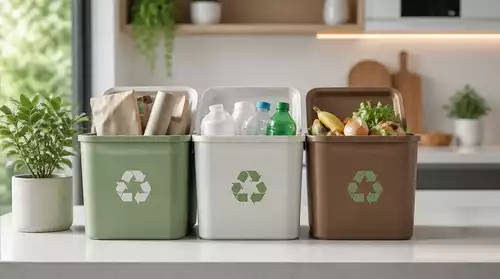
To make recycling more effective, consider creating a designated recycling station in your home. Use labeled bins for different materials, such as plastics, paper, and metals. This not only simplifies the sorting process but also helps everyone in the household quickly identify where to place their recyclables, fostering consistent participation.
Creating a Sustainable Family Recycling Habit
Building a recycling habit that involves the whole family can be both fun and rewarding! At Eco Habits Daily, I believe that making eco-friendly choices together can strengthen family bonds while also teaching the importance of sustainability. When everyone pitches in, it not only shares the workload, but it also creates a sense of community around your recycling efforts. So, how can we engage our loved ones in this essential process?
First, start by having a family meeting to discuss why recycling matters. You might share fun facts like how recycling just one aluminum can saves enough energy to run a television for three hours! By understanding the *impact* of their actions, family members can feel more connected and motivated to participate actively in the recycling process.
- Involve everyone by assigning specific tasks based on age and ability.
- Set up a family chart to track who is doing what.
- Encourage friendly competitions or rewards for achieving recycling goals together.
Frequently Asked Questions about Home Recycling
- What are the primary benefits of a home recycling system?
- A home recycling system reduces landfill waste, conserves natural resources, promotes sustainability, and encourages community engagement.
- How important are local recycling rules?
- Understanding local recycling rules is crucial because guidelines vary by area. Following them ensures your recycling efforts are effective and correctly processed.
- What do recycling symbols mean?
- Recycling symbols indicate the type of material an item is made from and how it should be disposed of, helping you sort recyclables accurately.
- How can I involve my family in recycling?
- Involve your family by discussing the importance of recycling, assigning tasks, tracking progress, and celebrating milestones together to create a sustainable habit.
- What is composting, and how does it fit into home recycling?
- Composting is the process of breaking down organic waste (like food scraps and yard waste) into nutrient-rich soil. It integrates into home recycling by further reducing landfill waste and enriching your garden.
Celebrating Milestones and Progress in Recycling
Celebration can be a powerful motivator! At Eco Habits Daily, I often recommend celebrating milestones in our recycling journey. Maybe you reach your first month of consistent recycling or achieve a family goal of reducing waste. These moments are perfect for sharing, so let’s make them special!
Consider implementing a monthly “recycling celebration” where you gather to review your efforts. You could even prepare a special treat or meal made from leftover ingredients, showcasing how you’re living sustainably. Reflecting on how far you’ve come can reinforce positive behaviors and keep everyone excited about the journey ahead! For more ideas on how to reduce waste as a family, explore family waste reduction made simple.
- Set specific recycling goals and track progress together.
- Reward achievements with fun activities, like a family outing.
- Share your successes on social media to inspire others!
Integrating Composting and Organic Waste Practices
As you develop your family’s recycling habits, consider expanding your efforts to include composting! Composting is a fantastic way to minimize organic waste and enrich your garden, all while helping the environment. It’s a natural progression that can make your home even more sustainable.
Start by designating a compost bin in the yard or even under the sink if space allows. Teach your family what can and cannot go into the compost, such as fruit scraps, coffee grounds, and eggshells. Engaging your kids in this process will not only promote responsibility but also provide them with a hands-on learning experience about waste reduction. Discover more about a beginner's guide to home composting to get started.
- Collect organic waste in a designated container in the kitchen.
- Regularly turn the compost to help it break down efficiently.
- Use the finished compost in your garden to nourish plants!
By creating a sustainable family recycling habit, you’re not just reducing waste; you’re also cultivating a mindset of environmental stewardship in your home. Remember, every small action adds up to a big change. Let’s take these steps together and make a lasting impact! Feeling inspired? Let’s keep this momentum going and embrace our eco-friendly lifestyle as a family.
Recap of Key Points
Here is a quick recap of the important points discussed in the article:
- Starting a home recycling system helps reduce landfill waste, conserve resources, and promote sustainability.
- Familiarize yourself with local recycling rules to ensure your efforts are effective.
- Understand recycling symbols to sort materials correctly and involve your whole family in the process.
- Celebrate milestones in your recycling journey to keep motivation high and make it a fun family activity.
- Consider integrating composting to further reduce organic waste and enhance your garden.