Have you ever wondered how a simple change in your home could lead to significant savings on your energy bills while also benefiting the planet? Embracing low-energy appliances and smart home technology is not just a trend; it's a powerful way to enhance your energy efficiency and sustainability! Here are some key takeaways that will empower you to make informed choices:
What You Will Learn
- Energy efficiency means using less energy to accomplish the same tasks, which is crucial for lowering utility bills and environmental impact.
- Low-energy appliances, such as ENERGY STAR-rated products, are designed to consume less electricity, leading to substantial long-term savings and reduced greenhouse gas emissions.
- Understanding energy ratings, including annual consumption estimates, helps consumers make smarter purchasing decisions that align with their sustainability goals.
- Smart home technology enables greater control over energy use, allowing for scheduling and monitoring that can lead to significant energy savings.
- Home automation enhances energy efficiency by optimizing usage patterns, providing improved comfort, convenience, and cost savings.
- Investing in smart appliances, while initially costly, offers long-term benefits through reduced utility bills and potential resale value increases.
- Choosing the right smart appliances involves assessing your lifestyle, compatibility with existing systems, and user reviews to ensure satisfaction.
Energy Efficiency of Smart Appliances vs. Traditional Appliances
Understanding the cost and benefits of integrating smart technology in your home versus traditional appliances.
Traditional Appliances
- Initial Costs: Lower upfront price
- Energy Savings: Moderate over time
- Incentives: Rarely offered
- Resale Value: Limited appeal
Smart Appliances
- Initial Costs: Higher upfront price
- Energy Savings: Significant reduction in bills
- Incentives: Commonly available rebates
- Resale Value: Increased marketability
Understanding Low-Energy Appliances and Smart Home Solutions
In today’s world, energy efficiency is more important than ever. It’s not just about saving money on your utility bills; it’s also about reducing our impact on the planet. By understanding low-energy appliances and smart home solutions, we can make informed choices that benefit both our wallets and the environment. For more insights on how to live sustainably, explore our guide on mindful consumption for sustainable living.
At Eco Habits Daily, we believe in empowering individuals to embrace sustainable living. That starts with learning about the tools available to us. Low-energy appliances and smart home technology are two key components that can significantly contribute to energy savings and enhance our daily lives!
Defining Energy Efficiency in Modern Appliances
Energy efficiency refers to using less energy to perform the same task. Modern appliances are designed to consume less energy without sacrificing performance. This is especially crucial in our homes, where appliances account for a significant portion of energy use.
Understanding energy efficiency helps us make better choices when purchasing appliances. It’s about looking for features and technologies that minimize energy consumption while ensuring that our daily tasks are done effectively. Let’s delve deeper into what makes a product truly energy-efficient!
What Are Low-Energy Appliances?
Low-energy appliances are specifically designed to use less electricity or gas than standard models. They often incorporate advanced technologies that optimize their energy consumption. Some examples of low-energy appliances include:
- Energy-efficient refrigerators
- Washing machines with eco modes
- Dishwashers that reduce water and energy usage
Choosing low-energy appliances not only helps the environment but also leads to long-term savings on your energy bills. It’s a win-win situation for both your home and the planet! You can also find more easy eco-friendly habits to start to further reduce your environmental footprint.
The Importance of ENERGY STAR Ratings
One of the best ways to identify energy-efficient appliances is by looking for the ENERGY STAR label. This certification indicates that the appliance meets strict energy efficiency guidelines set by the U.S. Environmental Protection Agency. But why should you care?
Here are some compelling reasons to look for ENERGY STAR-rated products:
- They help reduce greenhouse gas emissions.
- They save you money on energy bills.
- They often come with rebates or incentives from local utility companies.
By choosing ENERGY STAR-rated appliances, you're making a conscious decision to support sustainability while enjoying the benefits of reduced energy costs.
Understanding Appliance Ratings for Energy Efficiency
Energy ratings help consumers understand how efficiently an appliance operates. These ratings usually involve the estimated yearly energy consumption in kilowatt-hours (kWh). The lower the number, the more efficient the appliance!
When shopping for appliances, consider the following:
- Check the energy label for annual consumption estimates.
- Compare similar models to find the most efficient option.
- Pay attention to features that enhance efficiency, such as inverter technology.
Being informed about appliance ratings can lead to smarter purchases that align with your sustainability goals!
Benefits of Integrating Smart Home Technology
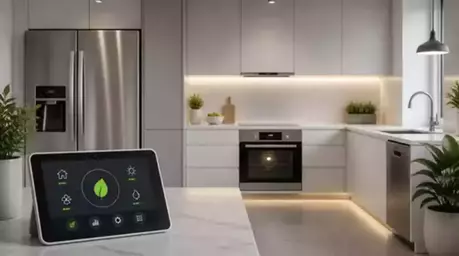
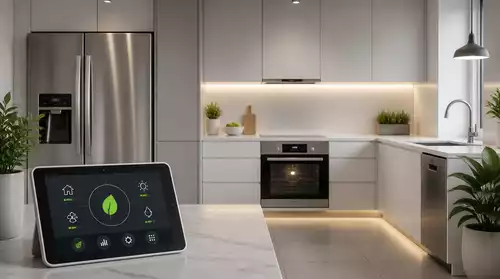
Integrating smart home technology into your daily life can significantly enhance energy efficiency. These devices not only allow for greater control over energy use but also help us optimize our habits. Let’s explore how smart appliances can contribute to energy savings!
Smart home technology offers innovative ways to manage our energy consumption effectively. As you dive into your smart home journey, you’ll discover how these tools can transform your living space into an eco-friendly haven!
How Smart Appliances Contribute to Energy Savings
Smart appliances are designed to communicate with each other and can be controlled remotely through your smartphone or tablet. This level of control allows you to optimize energy usage. Here are some ways they contribute to savings:
- Scheduling appliances to run during off-peak hours.
- Monitoring energy consumption in real-time.
- Adjusting settings based on your habits and preferences.
By utilizing smart appliances, you can create a more efficient energy profile for your home, leading to significant savings over time! To manage other aspects of your home sustainably, consider these eco-friendly junk removal tips.
The Role of Home Automation in Reducing Energy Consumption
Home automation takes energy efficiency to the next level. By integrating devices such as smart thermostats, smart lighting, and smart plugs, you can automate how and when your appliances use energy. For instance, you can set your thermostat to adjust the temperature when you’re away, reducing unnecessary heating or cooling.
Consider these benefits:
- Improved comfort through personalized settings.
- Increased convenience with automated routines.
- Enhanced energy savings through intelligent scheduling.
Home automation not only streamlines your daily life but also helps you become more mindful of your energy consumption!
The Impact of Smart Home Devices on Energy Management
Smart home devices provide valuable insights into your energy use patterns. With apps that track your consumption, you become more aware of how your habits impact your energy bills. This awareness allows you to make necessary adjustments.
Benefits of using smart home devices for energy management include:
- Identifying energy hogs in your home.
- Setting energy consumption goals.
- Receiving notifications about unusual energy use patterns.
With this information at your fingertips, you can take proactive steps towards reducing your energy consumption—making your home more sustainable!
Quick Summary
Here's a brief recap of the key points discussed so far:
- Energy efficiency means using less energy for the same tasks, crucial for reducing household energy consumption.
- Low-energy appliances, such as ENERGY STAR-rated products, significantly decrease energy usage and can lead to considerable savings.
- Smart home technology empowers users to optimize energy consumption through automation and remote control, enhancing both convenience and sustainability.
Addressing Common Concerns About Low-Energy Appliances
When it comes to adopting low-energy appliances, many people have questions. It’s important to weigh the pros and cons before making any decisions. Here at Eco Habits Daily, I want to ensure you feel confident in transitioning to more energy-efficient options. Let’s dive into some common concerns and clear up any uncertainties!
Cost-Benefit Analysis of Smart Appliances
Investing in smart appliances often raises questions about cost. Initially, these devices might seem pricey, but understanding their long-term benefits is crucial. Here’s a simple breakdown to help you compare:
- Initial Costs: Smart appliances can have a higher upfront price tag.
- Energy Savings: Over time, they can significantly lower your utility bills.
- Incentives: Many energy companies offer rebates for purchasing energy-efficient models.
- Resale Value: Homes equipped with smart appliances may attract buyers and elevate property value.
Seeing the potential for long-term savings makes it easier to justify that initial investment. Remember, choosing energy-efficient options is not just a purchase; it’s an investment in a sustainable future!
FAQs on Smart Home Integration
Are you curious about integrating smart home technology into your lifestyle? Here are some frequently asked questions that can guide you:
Frequently Asked Questions
What is energy efficiency in the context of modern appliances?
Energy efficiency means that an appliance uses less energy to perform the same task, reducing both utility bills and environmental impact without sacrificing performance.
How can I identify low-energy appliances?
Look for the ENERGY STAR label, which signifies that an appliance meets strict energy efficiency guidelines. Also, check the energy label for annual consumption estimates (kWh); lower numbers indicate greater efficiency.
Do smart appliances really save money, considering their higher initial cost?
Yes, while smart appliances may have a higher upfront price, they offer significant long-term savings through reduced utility bills, potential rebates, and increased home resale value. Their ability to optimize energy usage contributes to these savings.
What are the main benefits of integrating smart home technology for energy management?
Smart home technology allows for remote control and scheduling of appliances, real-time energy monitoring, optimized usage patterns (e.g., running during off-peak hours), and improved comfort through automated routines. These features collectively lead to greater energy savings and a more sustainable home.
How does home automation contribute to reducing energy consumption?
Home automation integrates devices like smart thermostats, lighting, and plugs to automate when and how appliances use energy. For example, it can adjust temperatures when you're away, preventing unnecessary energy use for heating or cooling, thereby streamlining energy efficiency.
How to Choose the Right Smart Appliances for Your Home?
Picking the right smart appliances involves considering your needs and lifestyle. Here are some tips to help:
- Assess your daily habits, like cooking or laundry frequency.
- Look for appliances that offer features you’ll actually use.
- Check for compatibility with your existing smart home system.
- Read reviews to gauge user satisfaction and performance.
Do Energy-Efficient Appliances Really Save Money?
Absolutely! Energy-efficient appliances are designed to use less energy, which translates to lower bills. Over time, the savings can really add up! Furthermore, using less energy is beneficial for the environment, making it a win-win situation.
What Are the Benefits of Smart Home Compatibility?
Smart home compatibility brings a host of advantages. Here are a few to consider:
- Remote Control: Manage your appliances from anywhere using your smartphone.
- Automation: Set schedules to optimize energy use based on your routines.
- Alerts: Receive notifications for maintenance needs or energy spikes.
Being able to integrate different devices adds convenience and enhances your energy management, allowing for a more efficient home. You can start with simple steps like implementing simple low-waste lifestyle tips to complement your smart home efforts.
Conclusion: Embracing Smart Energy Solutions
Summarizing Key Takeaways for Energy Savings
In summary, transitioning to low-energy appliances is a smart step toward sustainability. Remember to assess your needs, compare costs, and embrace the benefits of smart technology. Every small change can lead to big savings, both for your wallet and the planet!
Encouraging Action: Start Small with Smart Home Integrations
If you’re feeling overwhelmed by the choices, that’s completely normal! Start with one appliance. Maybe it’s a smart thermostat or a low-energy washing machine. As you become familiar with your new device, you’ll gain confidence to explore more options, making your home even more energy-efficient. For more targeted help, check out recycling tips for your home to manage waste effectively.
Final Thoughts on Sustainable Living
Adopting Energy-Saving Habits for a Greener Future
Every action counts! By adopting energy-saving habits, you’re contributing to a healthier planet. It’s all about making conscious choices that align with your values and lifestyle.
Exploring Future Trends in Smart Home Technology
As technology advances, the possibilities for smart home integration will only grow. Stay informed and explore new options that come along! At Eco Habits Daily, I’m excited to share updates and strategies that help you maintain your eco-friendly lifestyle!
Recap of Key Points
Here is a quick recap of the important points discussed in the article:
- Energy efficiency in appliances is crucial for reducing utility bills and environmental impact.
- Low-energy appliances are designed to use less electricity or gas, leading to long-term savings.
- Look for the ENERGY STAR label when choosing appliances to ensure energy efficiency.
- Check energy ratings to compare the efficiency of different models before making a purchase.
- Smart home technology allows for better control and optimization of energy use.
- Home automation can enhance comfort and increase energy savings through intelligent scheduling.
- Understanding the cost-benefit analysis of smart appliances helps justify initial investments for long-term savings.
- Start small by integrating one smart appliance at a time to ease into sustainable living.