
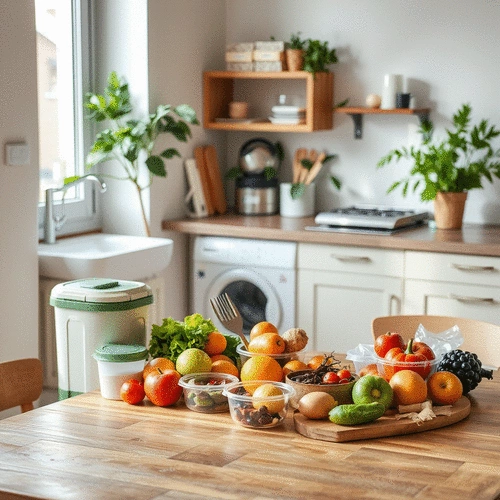
What if your family's actions could not only benefit your household but also the entire planet? Embracing a family waste reduction plan can transform your consumption habits and foster a sustainable lifestyle, all while teaching your children invaluable eco-friendly values.
What You Will Learn
- The significance of waste reduction in enhancing environmental awareness and promoting healthier living conditions.
- How reducing waste contributes to significant economic benefits, such as lower grocery bills and reduced disposal fees.
- The role of consumer behavior in influencing sustainability practices among manufacturers and reducing overall waste generation.
- Essential components for creating a customized waste reduction plan that encourages family involvement and accountability.
- Effective strategies for meal planning and using reusable products to minimize food waste and overall household waste.
- Methods for exploring eco-friendly products and zero waste alternatives that support sustainable living.
Key Components of a Family Waste Reduction Plan
These essential components contribute to an effective waste reduction strategy for households. By focusing on these areas, families can significantly reduce their environmental footprint and promote sustainable living practices, making a tangible difference in their daily lives and for the planet. For more detailed guidance, consider exploring an eco-friendly junk removal guide.
Set Clear Goals
Outline specific targets for waste reduction, such as decreasing food waste by 20% or committing to using less plastic.
Involve the Whole Family
Assign specific roles or tasks to each family member to foster ownership of the waste reduction plan.
Measure Success
Track progress regularly to see how well the family is adhering to the waste reduction goals.
Create a Visual Plan
Develop a colorful action plan that outlines daily, weekly, and monthly goals for the family.
Understanding the Importance of a Family Waste Reduction Plan
Waste reduction is not just a trend; it’s a vital practice for families who want to contribute to a healthier planet. At Eco Habits Daily, I believe that every small change can make a big difference. A family waste reduction plan helps you and your loved ones become more mindful of your consumption habits while promoting a sustainable lifestyle!
When we work together to minimize waste, we not only help the environment but also improve our lives. It’s essential to grasp why waste reduction matters for our families and how it can positively impact our surroundings and well-being. Let’s dive into some of the key reasons.
Why Waste Reduction Matters for Families
Understanding the importance of waste reduction begins with recognizing its far-reaching effects. The more we reduce waste, the less we contribute to landfills, which are major sources of pollution. Families generate an incredible amount of waste daily, and by actively working to lessen that, we can improve air and water quality. This is a key step towards mindful consumption for sustainable living.
Additionally, a waste reduction plan fosters a sense of responsibility among family members, especially children. Teaching them about waste management early on sets the stage for lifelong eco-friendly habits and helps create informed future generations. Isn’t it wonderful to know that we can make such a difference together?
- Encourages environmental awareness
- Promotes healthier living conditions
- Instills eco-friendly values in children
The Environmental Impact of Household Waste
Every household has a unique waste footprint, and understanding this impact is crucial. Did you know that landfills are among the largest contributors to greenhouse gas emissions? When organic waste decomposes in landfills, it produces methane, a potent greenhouse gas that contributes to climate change. By reducing waste, we can significantly decrease this problem.
Every piece of waste we divert from landfills is a step towards a cleaner environment. Families can adopt practices like composting and recycling, which naturally lessen the amount of waste produced. For more valuable insights, explore these recycling tips for your home. This not only benefits the planet but also helps us appreciate the resources we consume!
Economic Benefits of Reducing Waste
Reducing waste translates to saving money! By implementing a family waste reduction plan, you can see lower grocery bills and decreased spending on disposable items. Imagine swapping out single-use products for reusable ones; this simple change can significantly cut costs over time!
Additionally, communities that prioritize waste reduction often benefit from reduced waste disposal fees. Families can contribute to these savings by practicing mindful consumption and making intentional purchasing decisions. It’s a win-win that benefits both our wallets and the environment!
Consumer Behavior and Its Role in Waste Management
Our daily choices as consumers play a vital role in shaping waste management practices. When families opt for products with minimal packaging, they send a clear message to manufacturers about their preferences. This shift in consumer behavior encourages companies to adopt more sustainable practices, which ultimately leads to less waste generated overall.
Being conscientious about what we buy allows us to make impactful changes. At Eco Habits Daily, I encourage families to evaluate their shopping habits and consider how each purchase might contribute to waste. By making informed decisions, we can collectively steer the market in a more sustainable direction!
Pro Tip
Did you know? Involving your children in the waste reduction plan not only teaches them valuable lessons about sustainability but also makes them more likely to adopt eco-friendly habits as adults. Consider creating a monthly family meeting to discuss your progress, celebrate achievements, and brainstorm new ideas for reducing waste!
Creating a Customized Waste Reduction Plan for Your Family
Creating a waste reduction plan tailored to your family is a fantastic way to make a meaningful impact. At Eco Habits Daily, we believe that every little effort counts! By implementing a structured approach, you can streamline your family's habits and contribute to a healthier planet.
When crafting your plan, consider involving every family member. This not only fosters a sense of ownership but also makes the journey more engaging. By working together, your family can establish a plan that reflects your values and lifestyle, making eco-friendly habits a natural part of your daily routines.
Essential Components of a Waste Reduction Plan
To kickstart your waste reduction plan, there are several essential components to include. First, it's helpful to outline clear goals, such as reducing waste by a certain percentage or committing to using less plastic. Next, think about how you can measure your success!
- Identify key areas where waste can be minimized.
- Set achievable targets for reduction, like decreasing food waste or opting for reusable products.
- Involve everyone in the family by assigning specific roles or tasks.
Additionally, creating a written plan can serve as a constant reminder of your commitment. Printable action plans and pledge templates can be great tools to keep the family focused and motivated. You could hang them on the fridge or another common area to spark conversations about your waste reduction goals!
Printable Action Plans and Pledge Templates for Family Commitment
Creating a visual representation of your waste reduction plan can make it more engaging for the entire family. You can design a colorful action plan that outlines daily, weekly, and monthly goals. Consider using templates that everyone can fill out together!
- Include fun graphics or images to make it visually appealing.
- Set specific family challenges, like “No Plastic Week” or “Zero Food Waste Day.”
- Encourage everyone to track their progress and celebrate achievements together!
Having a tangible reminder of your commitment fosters accountability among family members and keeps everyone on track!
Incorporating Meal Planning and Reusable Swaps
Meal planning can significantly reduce food waste, a common issue in many households. By planning meals ahead of time, you can buy only what you need and avoid over-purchasing. Plus, it's a fantastic way to save time and money! This aligns with the principles of simple ways to cut food waste and promote a more sustainable kitchen.
- Plan meals around seasonal produce to support local farmers.
- Try to create a shopping list before you head to the store to minimize impulse buys.
- Swap disposable items for reusable ones, like cloth napkins or glass containers.
These simple changes not only cut down on waste but also bring your family together in the kitchen! Cooking together can be a fun bonding experience, and it teaches valuable lessons about sustainability.
Exploring Eco-Friendly Products and Zero Waste Alternatives
Another vital aspect of your waste reduction plan is exploring eco-friendly products. It's easier than ever to find alternatives that help you live a more sustainable lifestyle. As you browse local stores or online shops, look for items that reduce plastic waste and promote sustainability! For inspiration, check out these eco-friendly reusable product ideas.
- Research brands that prioritize environmentally friendly materials.
- Consider investing in bulk bins for pantry staples to minimize packaging waste.
- Look for zero waste stores in your area where you can refill containers.
By choosing eco-friendly products, you not only support sustainable businesses but also make a positive impact on the environment.
Frequently Asked Questions about Family Waste Reduction
- Q: Why is a family waste reduction plan important?
- A: A family waste reduction plan is crucial for several reasons: it minimizes your household's environmental footprint, reduces contributions to landfills, encourages healthier living conditions, fosters environmental awareness, instills eco-friendly values in children, and can lead to significant economic savings through reduced grocery bills and disposal fees.
- Q: How can I involve my family in waste reduction efforts?
- A: Involving your family can be fun and educational! Assign specific roles or tasks to each family member, set clear and achievable goals together, track progress regularly, and create a visual action plan. Monthly family meetings to discuss progress and brainstorm new ideas can also boost engagement.
- Q: What are the economic benefits of reducing household waste?
- A: Reducing waste can lead to substantial economic benefits. By planning meals effectively, you can lower grocery bills by avoiding over-purchasing. Swapping disposable items for reusable alternatives reduces ongoing costs. Additionally, communities often benefit from reduced waste disposal fees, which can impact household expenses.
- Q: How does consumer behavior influence waste management?
- A: Your choices as a consumer directly impact waste management. When families prioritize products with minimal packaging or opt for sustainable brands, it signals to manufacturers a demand for more eco-friendly options. This encourages companies to adopt sustainable practices, ultimately leading to less waste generation overall.
- Q: What are some practical steps to start a waste reduction plan?
- A: Practical steps include identifying key areas where waste can be minimized (e.g., food waste, plastic use), setting achievable targets, incorporating meal planning to reduce food waste, swapping disposable items for reusable products, and exploring eco-friendly and zero-waste alternatives for daily necessities. Creating a visual, printable action plan can also help keep everyone motivated and accountable.
Recap of Key Points
Here is a quick recap of the important points discussed in the article:
- Waste reduction is essential for families to improve their environmental impact and promote healthier living conditions.
- Engaging children in waste management fosters eco-friendly habits and responsibility from a young age.
- Implementing a waste reduction plan can lead to economic savings, including lower grocery bills and waste disposal fees.
- Consumer choices play a crucial role in shaping sustainable practices and reducing waste generation.
- Involve every family member when creating a customized waste reduction plan to enhance commitment and engagement.
- Utilize meal planning and reusable products to minimize food waste and promote sustainability within the household.
- Explore eco-friendly products and zero waste alternatives to further reduce your household waste footprint.