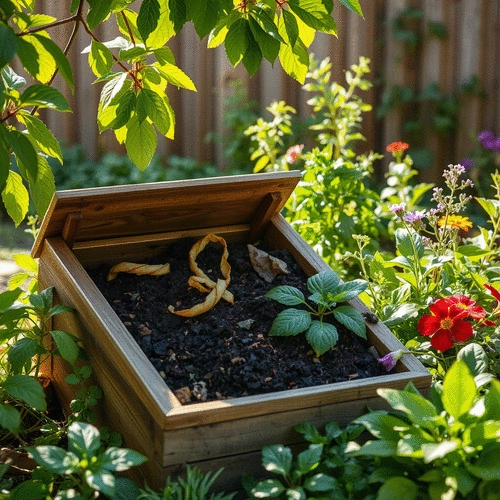
Are you ready to transform your kitchen scraps into a garden powerhouse? Composting isn't just a trend; it's a crucial step toward sustainable living. With around 30% of our waste being compostable, imagine the impact if we all embraced this practice! Let’s explore the fundamentals of composting and discover the rewards it brings!
What You Will Learn
- How composting drastically reduces landfill waste and greenhouse gas emissions.
- The essential components of successful composting: greens, browns, and moisture.
- Effective solutions to common composting problems, including odors and pests.
- Tips for using finished compost to enhance soil health and promote plant growth.
- Common mistakes to avoid for a thriving composting system.
Impact of Composting on Waste Reduction
Composting significantly contributes to reducing organic waste in landfills. The following statistics illustrate its importance, highlighting how it aligns with broader efforts in waste reduction.
Compostable Waste in Landfills
Approximately 30% of what we throw away is compostable.
Environmental Benefits of Composting
- Reduces landfill waste.
- Decreases greenhouse gas emissions.
- Improves soil quality.
Composting Materials
Balance green (e.g., vegetable scraps) and brown (e.g., dried leaves) materials for effective composting.
Composting Process Overview
Key steps include gathering materials, creating layers, and maintaining moisture.
Understanding Composting Fundamentals for Beginners
Are you curious about how to turn your kitchen scraps into a nutrient-rich treasure for your garden? Composting is a fantastic way to reduce waste while enhancing your soil! As a passionate advocate for sustainable living, I believe understanding the fundamentals of composting is a crucial step toward making eco-friendly choices.
Composting is the natural process of recycling organic matter, such as food scraps and yard waste, into a valuable fertilizer. By embracing composting, you're not only reducing landfill waste but also contributing to healthier soil and a more sustainable environment. Let's dive into why composting is essential for sustainable living!
Why Composting is Essential for Sustainable Living
The importance of composting cannot be overstated. By composting, we can drastically reduce the amount of organic waste that ends up in landfills. Did you know that approximately 30% of what we throw away is compostable? Imagine the positive impact if we all composted our food scraps instead of tossing them in the trash! This simple act contributes to a more sustainable future, much like adopting easy eco-friendly habits in other areas of our lives.
- Reduces landfill waste, decreasing greenhouse gas emissions.
- Enriches soil, improving its structure and fertility.
- Helps retain moisture in the soil, reducing the need for watering.
At Eco Habits Daily, we encourage everyone to consider composting as a simple yet powerful way to contribute to a healthier planet. It's not just about waste reduction; it's about creating a sustainable cycle that benefits both our gardens and the environment.
Overview of the Composting Process
Understanding the composting process is easier than you might think! It essentially involves a few simple steps: gathering materials, creating layers, and allowing nature to do its magic. The magic happens through the breakdown of organic matter by microorganisms, resulting in compost.
The key elements of the composting process include:
- Green Materials: Nitrogen-rich items like fruit and vegetable scraps.
- Brown Materials: Carbon-rich items like dried leaves and cardboard.
- Water: Moisture helps microorganisms thrive.
To kickstart your composting journey, simply collect your green and brown materials, mix them together, and keep them moist. It might take some time, but soon enough, you'll have rich, dark compost to nourish your plants!
Exploring the Environmental Benefits of Composting
Composting is not just about recycling; it’s about fostering a healthier ecosystem. When we compost, we support biodiversity and contribute to the health of our planet. Here are some wonderful benefits of composting:
- Improves soil quality by adding essential nutrients.
- Reduces reliance on chemical fertilizers, promoting organic gardening.
- Encourages healthy plant growth and reduces erosion.
As someone who appreciates the beauty of nature, I find that composting is one of the most rewarding practices I can engage in. It connects us to the earth and empowers us to make choices that protect our environment for future generations. So, let’s get started on this exciting composting adventure together!
Pro Tip
Did you know? To enhance the efficiency of your composting process, consider incorporating "compost activators." These are materials that introduce beneficial microorganisms to your pile, speeding up decomposition. Examples include finished compost, aged manure, or even a scoop of healthy garden soil. This simple addition can significantly boost microbial activity and result in quicker, richer compost!
Troubleshooting Common Composting Problems
Composting can be a rewarding experience, but sometimes you might run into a few hiccups. Don't worry! With a little guidance, these issues can be easily resolved. Let’s dive into some common composting problems and how to tackle them effectively.
One of the first problems many beginners face is odors coming from their compost pile. This can be quite off-putting, especially if you’re composting in a small area. But understanding what causes odors and how to fix them is essential for maintaining a healthy compost environment.
Addressing Odors in Your Compost Pile
Odors can stem from an imbalance in your compost materials or insufficient aeration. Here are some effective ways to address this issue:
- Add more browns: If your compost pile is too wet and has a strong smell, it likely needs more carbon-rich materials.
- Turn your pile: Aerating the compost can help eliminate odors by encouraging aerobic decomposition.
- Check moisture levels: Aim for a moist but not soggy pile. If it’s too wet, add dry materials.
By following these tips, you can keep your compost pile smelling fresh and inviting!
Managing Pests: Preventative Measures and Solutions
Another challenge is pests. While composting is beneficial for the environment, it can sometimes attract unwanted critters. Here’s how to keep those pests at bay:
- Cover your compost: Use a lid or tarp to deter animals from rummaging through your pile.
- Use a sealed bin: Consider a compost bin with a secure locking mechanism to keep pests out.
- Monitor food scraps: Avoid adding meat, dairy, and oily foods, which can attract pests.
Implementing these practices can help you maintain a pest-free composting environment, allowing you to focus on your sustainable goals!
Resolving Issues with Slow Decomposition
If your compost isn’t breaking down as quickly as you’d like, it might be time to troubleshoot further. Here are a few reasons why decomposition may be lagging and how to solve them:
- Insufficient nitrogen: Boost nitrogen levels by adding green materials like grass clippings or vegetable scraps.
- Too compacted: Turn your pile regularly to introduce air and help microorganisms thrive.
- Too dry: If your compost is too dry, sprinkle it with water to maintain adequate moisture.
By addressing these factors, you can speed up the decomposition process and enjoy the fruits of your labor sooner rather than later! For more insights on efficient waste management, consider exploring simple low-waste lifestyle tips.
Common Composting Mistakes to Avoid
Like any new venture, composting comes with its learning curve. Here are some common mistakes to watch out for as you embark on your composting journey:
- Ignoring the balance: Failing to balance greens and browns can lead to odors and slow decomposition.
- Overloading with food scraps: Too many organic materials can create a messy, smelly pile.
- Neglecting to turn the pile: Regular aeration is crucial for maintaining a healthy compost ecosystem.
By being mindful of these pitfalls, you can create a thriving compost system that will benefit your garden and the planet!
Using Finished Compost Effectively in Your Garden
Now that you've tackled some common composting challenges, it’s time to explore how to make the most of your finished compost. This nutrient-rich material can work wonders in your garden, enhancing soil health and plant growth.
Let’s look at some effective ways to incorporate compost into your gardening routine. Whether you’re a seasoned gardener or just starting out, these tips from Eco Habits Daily will help you maximize your compost’s benefits! If you're managing larger waste items, our guide on eco-friendly junk removal offers additional valuable insights.
Frequently Asked Questions About Composting
- What percentage of waste is compostable?
- Approximately 30% of what we throw away is compostable, making composting a significant way to reduce landfill waste.
- What are the essential components for successful composting?
- Successful composting requires a balance of "greens" (nitrogen-rich materials like fruit and vegetable scraps), "browns" (carbon-rich materials like dried leaves and cardboard), and adequate moisture.
- How can I prevent odors in my compost pile?
- To prevent odors, ensure a good balance of green and brown materials, turn your pile regularly for aeration, and maintain proper moisture levels (moist but not soggy).
- What should I avoid adding to my compost to prevent pests?
- Avoid adding meat, dairy, and oily foods, as these can attract pests. Covering your compost or using a sealed bin can also help.
- Why might my compost be decomposing slowly?
- Slow decomposition can be due to insufficient nitrogen (add more greens), lack of aeration (turn the pile more often), or dryness (sprinkle with water to maintain moisture).
Recap of Key Points
Here is a quick recap of the important points discussed in the article:
- Composting Reduces Waste: Around 30% of what we throw away is compostable, significantly decreasing landfill waste and greenhouse gas emissions.
- Composting Process: Involves layering green (nitrogen-rich) and brown (carbon-rich) materials, ensuring adequate moisture and aeration to create nutrient-rich compost.
- Environmental Benefits: Composting improves soil quality, reduces chemical fertilizer reliance, and promotes biodiversity.
- Addressing Common Problems: Tackle odors by balancing materials, turning the pile, and monitoring moisture; manage pests by covering compost and avoiding certain foods.
- Common Mistakes: Avoid imbalances in materials, overloading with food scraps, and neglecting to aerate the compost.
- Using Finished Compost: Incorporate it in your garden to enhance soil health and encourage robust plant growth.