
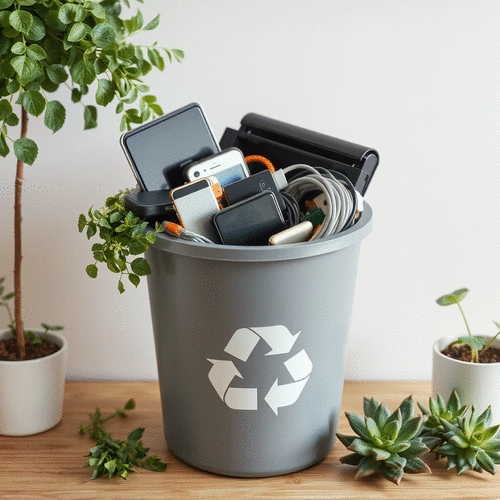
The e-waste crisis poses a significant threat to our planet, with millions of tons of electronics discarded improperly each year. As the demand for technology grows, it's crucial to understand how to manage electronic waste effectively. Taking mindful actions today can lead to a healthier environment for future generations.
What You Will Learn
- Over 50 million tons of e-waste are produced globally each year, with projections reaching 74 million tons by 2030.
- Only about 20% of e-waste is recycled properly, highlighting the urgent need for improved disposal practices.
- Harmful substances in electronics can lead to soil and water contamination if not disposed of correctly.
- Adopting the principles of reducing, reusing, and recycling can significantly lessen the environmental impact of e-waste.
- Engaging in community efforts and local recycling initiatives can amplify your positive impact on e-waste management.
- Educating yourself and others about eco-friendly disposal options is key to promoting sustainable practices in your community.
E-Waste Statistics and Environmental Impact
Understanding the current state and future projections of e-waste is crucial for advocating sustainable practices. For more insights into how to reduce your overall waste, consider exploring our guide on eco-friendly junk removal.
Global E-Waste Generation
In 2023, it is reported that over 50 million tons of e-waste are discarded globally each year.
Projected to reach 74 million tons by 2030.
Recycling Challenges
Only 20% of e-waste is recycled properly.
This highlights the need for improved recycling infrastructure.
Toxic Materials
Electronic devices can contain over 1,000 different substances, including hazardous materials.
Environmental Impact
Improper disposal can lead to the release of toxic metals such as lead and mercury into soil and water.
Understanding the Importance of Eco-Friendly Electronics Disposal
In today's fast-paced world, we rely heavily on electronics for everyday tasks. However, with this growing dependence comes a pressing issue: the e-waste crisis. Every year, millions of tons of electronic waste are generated, and knowing how to dispose of these items responsibly is essential for our planet's health. At Eco Habits Daily, we believe that understanding the importance of eco-friendly electronics disposal is the first step toward making a positive impact!
As we dive deeper into this topic, it's crucial to recognize that improper disposal of electronics can have severe consequences. Many of these devices contain harmful substances that can leach into our environment, leading to pollution and health risks. By adopting mindful disposal practices, we can contribute to a cleaner, safer world for ourselves and future generations.
The Growing E-Waste Crisis and Its Environmental Impact
The e-waste crisis is not just a statistic; it's a reality that affects us all. The rapid pace of technological advancement has resulted in a massive increase in electronic waste, leading to environmental degradation and significant health risks. As someone who cares about the planet, I find it alarming to learn that over 50 million tons of e-waste are discarded globally each year. This number is expected to rise, highlighting the urgent need for responsible disposal practices. This situation underscores the importance of mindful consumption for sustainable living in all aspects of our lives.
Let's explore some vital statistics that underscore the gravity of the e-waste problem:
- Only about 20% of e-waste is recycled properly.
- Electronic devices can contain over 1,000 different substances, including hazardous materials.
- Improper disposal can lead to the release of toxic metals such as lead and mercury into soil and water.
Statistics on E-Waste Generation and Disposal Challenges
Understanding the statistics surrounding e-waste generation helps us grasp the scale of this crisis. For example, it's projected that by 2030, e-waste will reach 74 million tons per year. The challenges of disposal stem from a combination of consumer habits and inadequate recycling infrastructure. Many people simply toss outdated electronics in the trash, unaware of the consequences.
Moreover, recycling options may not be readily available in all areas, making it essential to advocate for improved e-waste management systems. We can all contribute to change by promoting awareness and seeking out sustainable disposal options!
Environmental Consequences of Improper E-Waste Management
Improper e-waste disposal leads to dire environmental consequences. Harmful chemicals found in electronics can seep into our ecosystems, causing soil and water contamination. This pollution can have far-reaching effects, harming wildlife and even entering our food supply.
Additionally, the accumulation of e-waste in landfills generates greenhouse gases, contributing to climate change. It's clear that we need to take action now! By committing to eco-friendly disposal practices, we can help mitigate these environmental impacts and pave the way for a healthier planet. Learning recycling tips for your home can be a great starting point.
Quick Summary
Here's a brief recap of the key points discussed so far:
- The e-waste crisis generates over 50 million tons of electronic waste annually, with projections increasing significantly.
- Only 20% of e-waste is recycled properly, highlighting the need for improved disposal practices.
- Improper disposal of electronics leads to soil and water contamination, posing serious environmental and health risks.
Frequently Asked Questions About Eco-Friendly Electronics Disposal
Q1: What is e-waste and why is it a problem?
E-waste refers to discarded electronic devices. It's a problem because it's generated in massive quantities (over 50 million tons annually) and contains harmful substances like lead and mercury that can contaminate soil and water if not disposed of properly.
Q2: How much e-waste is recycled globally?
Currently, only about 20% of e-waste is recycled properly, leading to significant environmental challenges due to the improper disposal of the remaining 80%.
Q3: What are the main environmental impacts of improper e-waste disposal?
Improper e-waste disposal can lead to soil and water contamination from toxic metals, harm wildlife, enter the food chain, and contribute to climate change through greenhouse gas emissions from landfills.
Q4: What are the key principles for eco-friendly electronics disposal?
The key principles are "Reduce, Reuse, and Recycle." Reduce involves mindful purchasing, Reuse means finding new purposes for old devices, and Recycle ensures items are processed safely.
Q5: How can individuals contribute to better e-waste management?
Individuals can contribute by identifying electronics to donate or recycle, researching local recycling centers, participating in community e-waste events, and educating friends and family about responsible disposal practices.
Summary of Environmentally Friendly Electronics Disposal Practices
As we wrap up our discussion on eco-friendly electronics disposal, it’s vital to reflect on the key practices we've explored. Reducing, reusing, and recycling are fundamental principles that can significantly lessen our impact on the planet. By being mindful of how we dispose of electronics, we can contribute to a healthier environment while making a positive change in our communities.
Let’s revisit some important strategies for managing e-waste effectively. Combining these three practices can create a powerful approach to sustainability, ensuring that our discarded electronics do not end up in landfills where they can harm the environment. Here are some vital tips to remember:
- **Reduce**: Think carefully before purchasing new electronics. Ask yourself if you truly need the latest device.
- **Reuse**: Find new purposes for old devices, like using them for specific tasks or donating them.
- **Recycle**: Always look for recycling options when disposing of electronics, ensuring they are processed safely.
Encouragement for Action and Sustainable Practices
You might be wondering, "How can I make a difference in e-waste disposal?" The answer is simpler than you think! Each person has the power to create a positive impact by incorporating sustainable practices into their daily lives. Whether it's choosing to donate an old laptop or participating in local recycling events, every action counts! These actions are prime examples of the easy eco-friendly habits to start today.
Creating a personal action plan for eco-friendly disposal can help you stay on track with your sustainability goals. Start by setting clear objectives, such as:
- Identifying electronics you no longer need and deciding whether to donate or recycle them.
- Researching local recycling centers or participating in community events focused on e-waste.
- Engaging with friends and family to spread awareness about responsible e-waste management.
Resources for Further Learning and Involvement
To deepen your understanding of eco-friendly electronics disposal, there are countless resources available online. Websites like Earth911 and the EPA offer valuable insights, while local environmental organizations can provide community-driven initiatives. By taking the time to educate yourself, you can become a more effective advocate for sustainable practices.
Engaging with local environmental groups and NGOs can also amplify your impact. Here are a few ways to get involved:
- Join community clean-up events focused on electronic waste.
- Participate in workshops that educate others about e-waste management.
- Support local initiatives that promote recycling and responsible disposal.
At Eco Habits Daily, we believe that together, we can make a substantial difference for our environment. Remember, every little effort counts in our journey toward a more sustainable future! Let's take action and inspire others to join us on this path, perhaps by sharing mindful eco-friendly living tips with them.
Recap of Key Points
Here is a quick recap of the important points discussed in the article:
- The e-waste crisis generates over 50 million tons of electronic waste annually, with only 20% being recycled properly.
- Improper disposal of electronics can lead to environmental pollution, soil and water contamination, and health risks due to toxic substances.
- Adopting the principles of reducing, reusing, and recycling can significantly lessen the impact of e-waste on the environment.
- Create a personal action plan for eco-friendly disposal by identifying old electronics, researching local recycling options, and engaging others in sustainability efforts.
- Utilize resources and join local environmental groups to further educate yourself and participate in community initiatives for responsible e-waste management.