
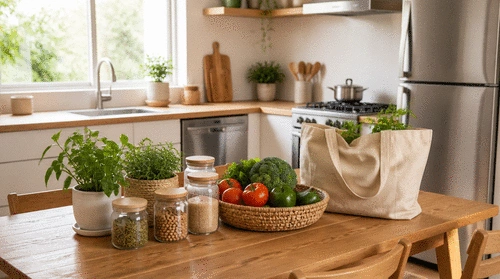
What if every small adjustment you made at home could lead to a healthier planet? Embracing eco-friendly habits isn't just a trend; it's a lifestyle choice that reflects our commitment to future generations. Let's explore how each of us can contribute to a greener world with manageable actions.
What You Will Learn
- Understanding the environmental impact of your home and daily choices is crucial for sustainable living.
- Simple habits like switching off lights and using reusable bags can drastically reduce waste and energy consumption.
- Investing in energy-efficient appliances not only cuts energy costs but also contributes to lowering your carbon footprint.
- Sharing your eco-friendly journey can inspire others and foster a community committed to sustainability.
- Utilizing resources like the EPA or books on sustainable living can enhance your understanding and motivation to maintain eco-friendly practices.
- Choosing eco-conscious brands supports ethical consumption and promotes a healthier environment.
Impact of Eco-Friendly Habits on Sustainability
Implementing eco-friendly habits can lead to significant benefits for both the environment and our finances. This visual representation highlights key areas of impact, showing how simple changes can contribute to a more sustainable future. To learn more about how to get started, check out these easy eco-friendly habits to start.
Lower Energy Bills
Using less energy not only helps the environment but also saves money on monthly bills.
Healthier Living Environment
Eco-friendly products are often safer, contributing to better health for families.
Community Impact
Encouraging sustainable habits can inspire collective efforts in the community.
Waste Reduction Techniques
Adopting methods like composting can significantly lower landfill waste.
Embracing Eco-Friendly Habits for a Sustainable Home
As someone who cares deeply about the environment, I can’t stress enough the importance of eco-friendly living. Our homes are often the biggest contributors to our carbon footprints, which is why embracing sustainable practices at home is essential. Every small change we make can lead to significant positive impacts, not just for our planet, but also for our wallets!
Understanding the Need for a Greener Home
Why should we focus on creating a greener home? The reality is, our daily choices have a direct influence on the environment. For instance, by reducing energy use and waste, we can help combat climate change and preserve natural resources for future generations. It's not just about saving the Earth; it's about ensuring a better quality of life for all living beings.
- Lower energy bills: Using less energy means saving money!
- Healthier living environment: Eco-friendly products are often safer for our families.
- Community impact: Encouraging green habits can inspire others to join the movement.
At Eco Habits Daily, I believe that every action counts. When everyone does their part, the combined effect can be powerful. It’s about creating a culture of sustainability that starts at home and spreads to the community!
Simple Actions for a Sustainable Lifestyle
Starting your journey toward a sustainable lifestyle doesn’t have to be overwhelming. In fact, there are several simple habits you can adopt right away! By incorporating just a few eco-friendly practices into your daily routine, you can make a noticeable difference. For more ideas on how to reduce waste, explore simple low-waste lifestyle tips.
- Switch off lights: Make it a habit to turn off lights in rooms you’re not using.
- Use reusable bags: Bring your own bags when shopping to reduce plastic waste.
- Practice mindful consumption: Before making a purchase, ask yourself, “Do I really need this?”
These small steps are manageable and can easily fit into your life. Remember, it’s all about progress, not perfection. The more you practice these habits, the more natural they will become!
Room-by-Room Guide to Eco-Friendly Habits
Transforming the Kitchen into an Eco-Friendly Space
Let’s start in the heart of the home: the kitchen! It’s where we prepare meals, share family moments, and often, create the most waste. Making eco-friendly changes in this space can significantly impact your overall sustainability efforts.
Adopting Energy-Saving Appliances
One fantastic way to reduce energy consumption is by investing in energy-efficient appliances. Appliances like smart refrigerators and dishwashers are designed to use less energy while providing the same functionality. It might seem like a big investment upfront, but the savings on your energy bills over time can be substantial!
Implementing Waste Reduction Techniques
Another impactful change is to focus on waste reduction. For instance, consider composting food waste instead of throwing it away. You can also utilize reusable containers to store leftovers, which helps minimize single-use plastics. These simple changes can make a world of difference! To delve deeper into waste management, consider reading our guide on eco-friendly junk removal.
Quick Summary
Here's a brief recap of the key points discussed so far:
- Importance of Eco-Friendly Living: Our homes significantly contribute to our carbon footprints, making sustainable practices essential.
- Simple Actions: Small habits like turning off lights and using reusable bags can lead to substantial positive impacts.
- Community Engagement: Sharing eco-friendly strategies can inspire others and create a ripple effect towards sustainability.
Frequently Asked Questions About Eco-Friendly Habits
Summarizing Sustainable Living Practices
Assessing the Impact of Eco-Friendly Habits
Implementing eco-friendly habits at home can have a profound impact on our planet and our wallets! By making small changes, you can significantly lower your energy consumption and reduce your ecological footprint. For instance, switching to energy-efficient appliances not only saves electricity but also cuts down on your utility bills. For more detailed advice, consider exploring simple ways to save energy.
Consider the benefits of using low-flow faucets and showerheads. These simple adjustments can lead to substantial water savings, which is crucial for conserving our most precious resource. Moreover, many of these eco-friendly practices contribute to a healthier environment, promoting biodiversity and reducing pollution.
- Lower energy costs through efficient practices
- Reduced carbon emissions from energy savings
- Conservation of natural resources like water
Encouraging Community Engagement and Sharing
One of the most rewarding aspects of adopting sustainable habits is sharing your journey with others! At Eco Habits Daily, we believe that fostering a community around these practices can amplify our collective impact. By sharing your own eco-friendly strategies, you can inspire friends and family to join the movement towards a greener lifestyle.
What are some of the small changes you've made that have had a big impact? Whether it's composting, reducing plastic use, or embracing reusable products, your story can motivate others to take action. Let's create a ripple effect of eco-conscious choices together!
- Share your experiences on social media
- Organize local clean-up events
- Host workshops to educate others on sustainable practices
Taking Action Towards a Greener Home
Next Steps for Sustainable Living
Feeling inspired? Start your journey towards a more sustainable home by focusing on just one or two habits at a time. This way, you won't feel overwhelmed, and you can gradually incorporate more as you feel comfortable. To help you track your progress, I've created a simple checklist:
- Unplug devices when not in use
- Switch to LED lighting
- Start composting food scraps
- Invest in reusable shopping bags
Remember, every little change contributes to a larger goal—creating a healthier planet for future generations!
Resources for Continued Learning and Growth
As you embark on this exciting journey, there are plenty of resources available to support your efforts. Websites, books, and community programs can provide valuable information and inspiration. For instance, mindful consumption for sustainable living offers excellent insights. Here are a few more suggestions you might find helpful:
- U.S. Environmental Protection Agency (EPA)
- Greenpeace
- Books like "The Zero Waste Home" by Bea Johnson
Utilizing these resources can help you deepen your understanding of sustainable practices and keep you motivated on your path.
Exploring Eco-Conscious Brands and Products
When it comes to making eco-friendly choices, consider exploring brands that prioritize sustainability and ethical consumption. Shopping from companies committed to environmentally responsible practices can amplify your positive impact! Here are some brands worth considering:
- Seventh Generation - known for eco-friendly cleaning products
- Bamboo Nature - offers sustainable diapers and wipes
- Patagonia - a leader in sustainable outdoor apparel
By choosing eco-conscious products, you're not only supporting businesses that align with your values but also contributing to a movement that prioritizes a healthier planet. With Eco Habits Daily, I'm excited to help you discover and embrace these sustainable choices every step of the way!
Recap of Key Points
Here is a quick recap of the important points discussed in the article:
- Embrace Eco-Friendly Living: Making small changes at home can significantly reduce your carbon footprint and lead to savings.
- Focus on Energy Efficiency: Invest in energy-efficient appliances and adopt practices like switching off lights to lower energy costs.
- Practice Waste Reduction: Compost food waste and use reusable containers to minimize single-use plastics.
- Encourage Community Engagement: Share your sustainable practices and inspire others to participate in eco-friendly habits.
- Continuous Learning: Utilize available resources like the EPA and books on sustainable living to enhance your understanding and practices.
- Choose Eco-Conscious Brands: Support brands that prioritize sustainability to amplify your positive impact on the environment.