Crafting isn't just a fun activity; it's a gateway to teaching kids about sustainability and creativity. By using recycled materials, children can explore their imagination while learning valuable lessons about the environment. Why not inspire the next generation of eco-advocates through the art of crafting?
What You Will Learn
- Understanding Recycling: Crafting with recycled materials helps kids recognize the potential in items typically thrown away, fostering creativity and resourcefulness.
- Safety First: Establishing a safe crafting environment is crucial, including using age-appropriate tools and supervising children during projects.
- Age-Appropriate Craft Ideas: Discover tailored crafting activities for various age groups, from simple nature collages for preschoolers to advanced projects for tweens that promote STEM learning.
- Skills Development: Engaging in crafting nurtures essential skills, including creativity, problem-solving, teamwork, and environmental awareness.
- Empowering Eco-Advocacy: Through crafting, children learn about sustainability, instilling values that encourage them to think critically about their impact on the planet.
- Encouraging Exploration: Allowing kids to explore their ideas and express themselves fosters a sense of creativity and resourcefulness, essential for nurturing an eco-conscious mindset.
Crafting Projects by Age Group
The following overview highlights various crafting projects suitable for different age groups, showcasing the creativity encouraged through recycling materials. For more comprehensive guidance on sustainable practices, consider exploring our recycling tips for your home.
Crafting Ideas for Preschoolers (Ages 3-5)
- Nature Collages
- Recycled Paper Mache
- Bottle Cap Art
Engaging Activities for Early Elementary (Ages 6-8)
- Robot Building
- Cardboard Structures
- Recycled Paper Beads
Challenging Projects for Tweens (Ages 9-12)
- Wind-Powered Cars
- Recycled Art Installations
- Functional Art
Crafting with Recycled Materials for Kids: An Engaging and Educational Experience
Teaching our little ones about sustainability can be both fun and educational through the magic of crafting! At Eco Habits Daily, I believe that getting kids involved in creative projects using recycled materials not only sparks their imagination but also instills values of environmental responsibility. By exploring crafting, children can learn about the importance of recycling and how their actions contribute to a healthier planet.
Understanding the Value of Recycling Crafts
Crafting with recycled materials provides an opportunity for kids to see the potential in items typically considered waste. Instead of throwing things away, they can transform them into unique creations! This practice nurtures a sense of creativity and resourcefulness, teaching children that being eco-conscious can also be exciting and enjoyable.
Furthermore, these projects can lead to important discussions about our environment and why it’s crucial to protect it. Engaging in recycling crafts creates a foundation for building a mindful approach to consumption and encourages kids to think critically about their everyday choices. This aligns perfectly with the principles of mindful consumption for sustainable living.
Setting the Stage: Safety and Preparation for Crafting
Essential Safety Guidelines for Crafting Projects
Before diving into crafting, it's vital to ensure a safe environment. Always supervise younger children, especially when using scissors or glue. Here are some essential safety tips:
- Provide age-appropriate tools, like safety scissors for preschoolers.
- Use non-toxic materials and adhesives.
- Set up a clean, clutter-free workspace.
As children grow, they can take on more complex tasks. For early elementary kids, introducing simple power tools under supervision can be a fun way to enhance their skills. Just make sure to always emphasize safety first!
Material Sourcing and Preparation Tips
Collecting recycled materials can be an adventure in itself! Encourage children to gather items from around the house or yard. Here are some great sources for crafting materials:
- Cardboard boxes (think cereal boxes or shipping boxes)
- Old magazines or newspapers
- Tin cans and plastic bottles
- Scraps of fabric or yarn
Once you have your materials, prepare them by cleaning and cutting them into manageable pieces. This can be a fun activity in itself, letting kids help in the preparation process. At Eco Habits Daily, I love the idea of making it a family affair, where everyone can contribute to the crafting journey!
Age-Segmented Craft Projects
Crafting Ideas for Preschoolers (Ages 3-5)
For our youngest crafters, it’s all about simple and safe projects that can enhance fine motor skills! Here are a few delightful ideas:
- Nature Collages: Collect leaves and flowers for a vibrant collage.
- Recycled Paper Mache: Use old newspaper to create fun shapes!
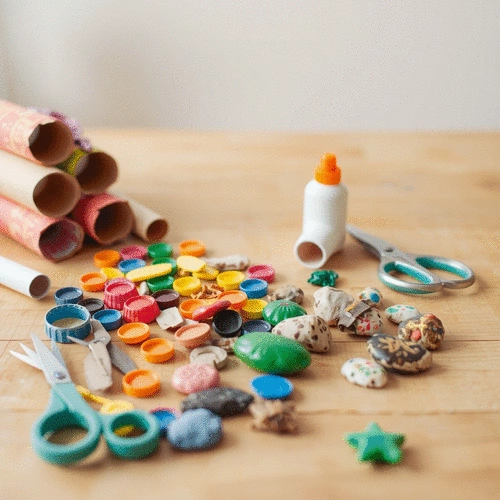
- Bottle Cap Art: Use colorful bottle caps to make fun pictures.
These activities not only encourage creativity, but they also help develop essential skills like cutting, gluing, and arranging. It’s amazing to see how much joy a little creativity can bring!
Engaging Activities for Early Elementary (Ages 6-8)
As children grow older, they can take on more complex crafts that stimulate their creativity and introduce basic STEM concepts. Here are some engaging activities:
- Robot Building: Use boxes and cans to create imaginative robots.
- Cardboard Structures: Design and construct small buildings or bridges.
- Recycled Paper Beads: Transform old paper into beautiful beads for jewelry.
These projects not only spark imagination but also encourage kids to think critically about how things work. At Eco Habits Daily, I find that blending fun with education is key to fostering lifelong learning!
Challenging Projects for Tweens (Ages 9-12)
For tweens, we can step up the challenge with advanced projects that integrate design thinking and problem-solving skills. Here are some ideas to inspire older kids:
- Wind-Powered Cars: Create a car that moves using wind power.
- Recycled Art Installations: Collaborate to create large pieces of art using a variety of recycled materials.
- Functional Art: Design useful items like planters or storage solutions from recycled goods.
These projects can foster a sense of accomplishment as children see their ideas come to life. Plus, they learn valuable skills that will serve them well in the future! For more ways to integrate sustainability into daily life, explore easy eco-friendly habits to start.
Engage with Us!
As you embark on your crafting journey, we want to know: What recycled materials have you found most creative for your projects? Share your experiences and favorite materials with us below:
Empowering Kids as Eco-Advocates through Crafting
When we think about crafting, we often picture fun, colorful projects. But there's so much more to it! Through crafting with recycled materials, we can empower our kids to become eco-advocates. This is not just about making something beautiful; it's about instilling values of sustainability and responsibility towards the environment.
By engaging in these projects, children learn valuable skills and develop a deeper understanding of their impact on the planet. We can create a generation that is not only creative but also conscious of their choices. Isn't that a lovely vision for the future?
Measuring Learning Outcomes and Skill Development
To truly appreciate the benefits of crafting, we can look at the skills our children gain through these activities. Some frameworks for assessing these learning outcomes include:
- Creativity: How well do they express their ideas in their projects?
- Problem-solving: Are they able to overcome challenges during the crafting process?
- Teamwork: How do they collaborate with others when working on group projects?
- Environmental Awareness: Do they show an understanding of sustainability concepts?
As a parent or educator, observing these skills develop is incredibly rewarding. By using simple assessment methods, we can celebrate their progress and encourage them to continue their eco-friendly journey.
Resources for Parents and Educators
Implementation Guides for Home or Classroom
Facilitating crafting activities can be a breeze with the right approach! Here are some tips for adults to create an engaging crafting environment:
- Gather Supplies: Collect a variety of recycled materials and art supplies.
- Set Clear Objectives: Define what you want the kids to learn or create.
- Encourage Exploration: Allow kids the freedom to experiment with their ideas.
- Provide Guidance: Offer support without taking over the project; let them lead!
Remember, you’re not just guiding them in crafting; you’re nurturing their creativity and passion for sustainability!
Frequently Asked Questions about Recycling Crafts
It's natural to have questions when starting crafting activities with recycled materials. Here are some common inquiries and their answers:
- What materials can we use? Almost anything! Paper, cardboard, plastic bottles, and tin cans are all great options.
- Are there age-appropriate projects? Yes! There are plenty of projects tailored for different age groups.
- How can we ensure safety? Supervise closely and use age-appropriate tools and materials.
- What skills will my child develop? Crafting enhances creativity, fine motor skills, and environmental awareness.
Answering these questions will help parents and educators feel more confident in engaging kids in crafting activities!
Encouraging Creativity and Resourcefulness in Children
One of the most exciting aspects of crafting is allowing children to express themselves freely. By encouraging their creativity, we help them explore new ideas and think outside the box. Let them make mistakes and learn from them—it’s all part of the process! For further insights into fostering a mindful lifestyle, consider reading about mindful eco-friendly living tips.
When kids see that their creations can come from reused materials, they start to develop a sense of resourcefulness. They learn that they don’t need to buy new things to be creative; they can use what they already have. This mindset is crucial for fostering an eco-conscious generation!
Conclusion: Join the Crafting Revolution
As we wrap up our journey through crafting with recycled materials, I hope you're inspired to dive into these activities with your kids. The benefits extend beyond just making art; they include valuable lessons about sustainability, creativity, and teamwork. For more on responsible waste management, check out our guide on eco-friendly junk removal.
So why not start your own crafting adventure today? Gather some recycled materials and create something amazing together. At Eco Habits Daily, we believe that every small effort counts! Let’s empower our children to be eco-advocates and make a positive impact on our planet—one craft at a time!
Recap of Key Points
Here is a quick recap of the important points discussed in the article:
- Crafting with recycled materials fosters creativity and environmental awareness in children.
- Safety is paramount; supervise younger children and use age-appropriate tools and non-toxic materials.
- Encourage children to gather materials from around the house, promoting resourcefulness.
- Tailor craft projects to age groups to enhance skills and stimulate interest.
- Use crafting as an opportunity to discuss sustainability and the importance of recycling.
- Measure learning outcomes such as creativity, problem-solving, teamwork, and environmental awareness.
- Create an engaging crafting environment by gathering supplies, setting objectives, and encouraging exploration.