Every year, over 1 million marine animals succumb to plastic pollution, a staggering reminder of the urgent need for change. As individuals, we hold the power to significantly reduce our ecological footprint by adopting sustainable practices at home. Are you ready to transform your daily habits and embrace a more eco-friendly lifestyle?
What You Will Learn
- Understanding the severe impact of single-use plastics on our environment and marine life.
- Identifying high-impact areas for reducing plastic usage, including food packaging and shopping bags.
- Implementing essential reusable swaps in food storage, such as glass containers and beeswax wraps.
- Exploring eco-friendly food storage options like compostable items and stainless steel straws.
- Adopting bulk and refill habits to minimize packaging waste and save money.
- Discovering budget-friendly swaps for plastic alternatives that fit within any financial plan.
- Responding to common questions about single-use plastics and their recyclability.
- Engaging with community initiatives and educational resources for a collective impact.
Impact of Single-Use Plastics on Marine Life
Each year, over 1 million marine animals are killed due to plastic pollution. Below are some key areas where reducing single-use plastics can have a significant effect. For more insights on how to manage waste effectively, explore our guide on eco-friendly junk removal.
Food Packaging
Opt for products with minimal or no packaging.
Beverage Containers
Replace single-use bottles with reusable ones.
Shopping Bags
Use cloth or biodegradable bags instead of plastic ones.
Personal Care Products
Choose items with sustainable packaging.
Practical Strategies for Reducing Single-Use Plastics at Home
Understanding the Impact of Single-Use Plastics
Have you ever thought about how much plastic waste we generate every day? Single-use plastics, like straws, bags, and packaging, might seem convenient, but they have a devastating impact on our environment. By transitioning to sustainable alternatives, we can significantly reduce our ecological footprint and contribute to a healthier planet.
Each year, millions of tons of plastic end up in landfills and oceans, taking hundreds of years to decompose. This raises an important question: what can we do to change our habits? By embracing eco-friendly practices, we can help reduce plastic pollution and promote sustainability in our lives.
Plastic Pollution and Its Effects on Marine Life
Plastic waste doesn't just clutter our streets; it also harms our oceans and marine life. Plastic debris can be ingested by fish, sea turtles, and other wildlife, causing severe health issues and even death. According to studies, over 1 million marine animals are killed each year due to plastic pollution! For more ideas on how to live sustainably, check out these easy eco-friendly habits to start.
Imagine enjoying a day at the beach only to find a sea turtle tangled in a plastic bag. This distressing reality highlights the need for change. By reducing our plastic usage, we can help protect marine ecosystems and ensure a healthier environment for future generations.
Highest-Impact Areas for Plastic Reduction
To make a meaningful impact, it's essential to focus on the areas where plastic reduction can yield the greatest benefits. Here are some key areas to consider:
- Food Packaging: Opt for products with minimal or no packaging.
- Beverage Containers: Replace single-use bottles with reusable ones.
- Shopping Bags: Use cloth or biodegradable bags instead of plastic ones.
- Personal Care Products: Choose items with sustainable packaging.
By targeting these high-impact areas, we can make substantial progress in reducing our reliance on plastics. At Eco Habits Daily, I’m committed to helping you identify these changes in your daily routine, making it easier to embrace eco-friendly habits.
Transforming Your Kitchen for a Plastic-Free Experience
Essential Reusable Swaps in Food Storage
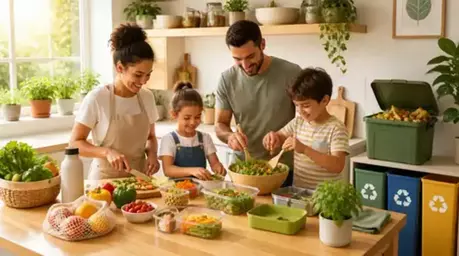
Let's dive into the kitchen! One of the most effective ways to reduce plastic waste is by making simple swaps in food storage. Here are some great alternatives to consider:
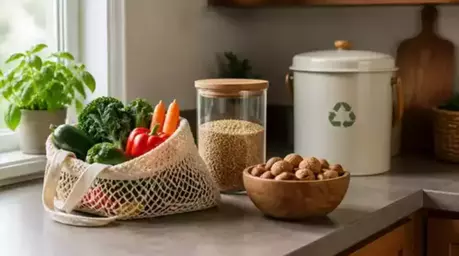
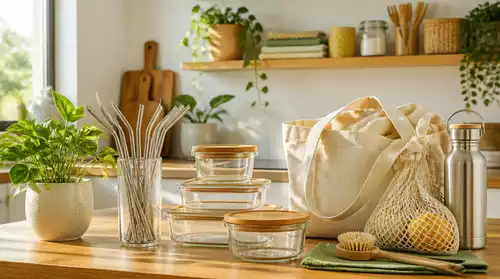
- Glass Containers: Perfect for leftovers and meal prep, glass containers are durable and microwave-safe.
- Beeswax Wraps: These wraps can replace plastic wrap, keeping your food fresh without the waste.
- Reusable Bags: Use cloth or silicone bags for snacks and sandwiches instead of plastic bags.
These swaps not only benefit the planet but can also enhance your cooking and storage experience at home. Plus, they often look great, adding a touch of style to your kitchen!
Opting for Eco-Friendly Food Storage Options
In addition to reusable containers, there are many eco-friendly options that can help you achieve a more sustainable kitchen. Consider these alternatives:
- Compostable Items: Look for biodegradable plates and utensils for gatherings.
- Stainless Steel Straws: A great alternative to plastic straws, they’re reusable and easy to clean.
- Cloth Napkins: Switch from paper napkins to cloth ones to cut down on waste.
These small changes can collectively lead to a significant reduction in plastic use! At Eco Habits Daily, I love sharing these practical tips to make sustainable living both easy and enjoyable. For further details on minimizing plastic, read our post on how to minimize plastic in daily life.
Adopting Bulk and Refill Habits
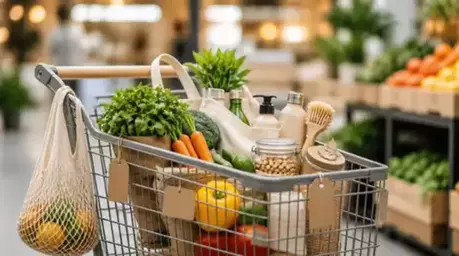
Have you ever considered buying in bulk? This practice not only cuts down on packaging but can also save you money! Here’s how to make the most of it:
- Join a Bulk Buying Club: Find local co-ops or stores that offer bulk options.
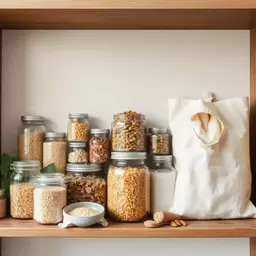
- Bring Your Own Containers: Many stores allow customers to refill their containers, reducing the need for new packaging.
- Plan Your Shopping: Create a list to ensure you only buy what you need to minimize waste.
By adopting bulk and refill habits, you can enjoy the convenience of shopping while also making a positive impact on the environment. It’s a win-win that I encourage you to try!
Quick Summary
Here's a brief recap of the key points discussed so far:
- Single-use plastics have a devastating impact on our environment and marine life.
- Focusing on high-impact areas for plastic reduction, such as food packaging and shopping bags, can lead to significant progress.
- Transforming your kitchen with reusable swaps and eco-friendly options is essential for reducing plastic waste.
- Adopting bulk and refill habits not only cuts down packaging but also saves money.
Frequently Asked Questions About Reducing Single-Use Plastics
Q: What is the primary impact of single-use plastics on the environment?
A: Single-use plastics have a devastating impact on the environment, contributing to pollution in landfills and oceans, harming marine life, and taking hundreds of years to decompose. Over 1 million marine animals are killed each year due to plastic pollution.
Q: What are the highest-impact areas to focus on for reducing plastic waste at home?
A: The highest-impact areas for plastic reduction include food packaging (opting for minimal packaging), beverage containers (using reusable bottles), shopping bags (choosing cloth or biodegradable bags), and personal care products (selecting items with sustainable packaging).
Q: What are some essential reusable swaps for food storage in the kitchen?
A: Essential reusable swaps for food storage include glass containers for leftovers, beeswax wraps to replace plastic wrap, and cloth or silicone bags for snacks and sandwiches.
Q: How can adopting bulk and refill habits help reduce plastic waste?
A: Buying in bulk and refilling containers significantly cuts down on packaging waste. It also often saves money and encourages mindful consumption by only buying what you need.
Q: Are all single-use plastics recyclable?
A: No, not all single-use plastics are recyclable. It's crucial to check local recycling guidelines as capabilities vary by region.
Summary of Key Strategies for a Sustainable Home
As we wrap up our exploration of reducing single-use plastics, it’s clear that every small change matters! From transforming our kitchens to revamping our shopping routines, these actions can lead to a more sustainable lifestyle. Let’s recap some of the main strategies that can help you reduce plastic waste and make a difference in the world around us.
By adopting these practical strategies, we empower ourselves to create a positive impact on our environment. Remember, it’s not about making huge changes overnight; it's about creating habits that last. Together, we can turn these strategies into a lifestyle that prioritizes sustainability! For more comprehensive advice, explore our simple low-waste lifestyle tips.
Best Swaps by Budget for Plastic Alternatives
Choosing eco-friendly options doesn’t have to break the bank! Below is a list of alternatives categorized by cost, so you can make informed choices based on your budget:
- Low-Cost Swaps:
- Beeswax wraps instead of plastic wrap
- Reusable shopping bags instead of single-use plastic bags
- Bar soap instead of liquid soap in plastic bottles
- Mid-Range Swaps:
- Glass food storage containers instead of plastic ones
- Metal straws instead of plastic straws
- Compostable trash bags instead of regular plastic bags
- Higher-End Swaps:
- Stainless steel water bottles instead of disposable bottles
- High-quality reusable food wraps instead of one-time use
- Refillable beauty products instead of throwaway containers
These swaps can fit into any budget, making it easier for everyone to join the movement towards reducing plastic waste!
Responding to Common Questions about Single-Use Plastics
Many of us have questions about the impact of single-use plastics. Here are some common queries and their answers:
- What are single-use plastics? They are products designed for one-time use, like plastic bags, straws, and cutlery.
- Can I recycle single-use plastics? Not all single-use plastics are recyclable, so it’s important to check local guidelines.
- What are the biggest challenges in reducing plastic? Convenience and habit often make it hard, but small steps can lead to lasting change.
- Where can I find more resources? Websites like Eco Habits Daily offer practical tips and guidance for sustainable living!
By addressing these FAQs, I hope to clarify any misconceptions and encourage you to consider how you can contribute to reducing plastic waste! For additional useful information, consider reading our article on eco-friendly everyday product swaps.
Community Initiatives and Educational Resources
Getting involved in your community can amplify your efforts to live sustainably! Here are some initiatives and resources to consider:
- Local Clean-Up Events: Participating in these events helps clean up our neighborhoods while spreading awareness.
- Environmental Organizations: Joining local groups can provide support, resources, and community for eco-conscious efforts!
- Workshops and Webinars: Look for opportunities to learn about sustainable practices and share ideas with others.
Engaging with your community not only supports sustainability but also fosters a sense of connection and shared responsibility!
Encouragement to Take Action and Join the Movement
Now that we’ve covered a wealth of information on reducing single-use plastics, it’s time to take action! I invite you to share your experiences and tips with friends and family. Together, we can inspire our communities to adopt sustainable practices and make informed choices that benefit our planet.
Remember, at Eco Habits Daily, we believe every small change counts! Let's work together towards creating a sustainable future, one habit at a time. Join the movement today, and let’s make a difference!
Recap of Key Points
Here is a quick recap of the important points discussed in the article:
- Understanding the Impact: Single-use plastics have significant environmental consequences, contributing to pollution and harming marine life.
- High-Impact Areas for Reduction: Focus on reducing plastic in food packaging, beverage containers, shopping bags, and personal care products.
- Kitchen Swaps: Use glass containers, beeswax wraps, and reusable bags to minimize plastic waste in food storage.
- Bulk Buying: Adopt bulk and refill habits to cut down on packaging and save money.
- Budget-Friendly Alternatives: Choose low-cost, mid-range, or higher-end eco-friendly swaps to fit your budget while reducing plastic usage.
- Community Engagement: Participate in local clean-up events, join environmental organizations, and attend workshops to promote sustainability.