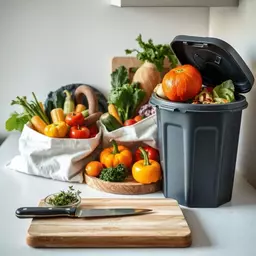

As we navigate a world increasingly filled with consumption, the impact of our choices has never been more crucial. Understanding mindful consumption can lead to significant changes in how we interact with the environment, particularly in reducing plastic pollution.
What You Will Learn
- Mindful consumption involves being intentional about purchases and considering their environmental impact.
- Practices such as assessing needs versus wants, researching product origins, and prioritizing quality over quantity can foster sustainability.
- Awareness of consumption patterns helps reduce reliance on single-use plastics and encourages the use of minimal packaging.
- Recognizing consumer behaviors that contribute to plastic pollution is the first step toward informed decision-making.
- Effective strategies for mindful consumption include using reusable items, buying in bulk, and choosing eco-friendly brands.
- Mindfulness can improve our relationship with food, guiding us to make healthier, more sustainable choices.
- While recycling is critical in combating plastic waste, it should complement broader practices like reducing and reusing.
- Taking small steps, such as replacing disposable items and participating in local initiatives, can create a ripple effect toward sustainability.
- Sharing knowledge and leading by example can inspire others to adopt eco-friendly habits, fostering a collective responsibility for the planet.
Key Principles of Mindful Consumption
This visual highlights the essential principles of mindful consumption and their impact on reducing plastic pollution. For more detailed insights into making conscious choices, explore our guide on mindful consumption for sustainable living.
Assessing Needs vs Wants
A fundamental aspect of mindful consumption is evaluating what we truly need versus what we want.
Researching Product Origins
Understanding where products come from can help us make more sustainable choices.
Prioritizing Quality Over Quantity
Focusing on high-quality items can lead to reduced waste and better sustainability.
Choosing Minimal Packaging
Opting for products with less packaging contributes to lowering plastic waste.
Understanding Mindful Consumption and Its Impact on Plastic Pollution
In our fast-paced world, it’s easy to forget the importance of making conscious choices in our daily lives. That’s where mindful consumption comes in. Mindful consumption means being aware of what we buy, how we use it, and the impact our choices have on the environment. It's about making decisions that align with our values, particularly in the context of sustainability.
When we embrace mindful consumption, we take a closer look at our habits. This practice encourages us to consider not just the *product itself*, but also its lifecycle—from production to disposal. By doing this, we can significantly impact plastic pollution and help foster a healthier planet. It’s about making small, intentional changes that can ripple out to create larger effects!
Defining Mindful Consumption in the Context of Sustainability
So, what does mindful consumption really mean? It’s all about being intentional about our purchases. Instead of buying items on a whim, we can ask ourselves essential questions: Do I need this? Is it sustainable? Understanding these questions enables us to choose wisely. Here are some principles of mindful consumption:
- Assessing needs versus wants
- Researching product origins
- Prioritizing quality over quantity
At Eco Habits Daily, I often emphasize how these practices can lead to a more sustainable lifestyle. When we focus on what we truly need, we naturally reduce waste and lessen our reliance on harmful plastics. To further minimize your environmental footprint, consider our guide on eco-friendly junk removal.
The Connection Between Mindfulness and Reducing Plastic Use
Mindfulness plays a crucial role in reducing our plastic footprint. When we are aware of our consumption patterns, we make choices that help limit the use of single-use plastics. This connection is vital, as plastic pollution affects wildlife, natural habitats, and our health. Here’s how mindfulness can lead to less plastic use:
- Choosing products with minimal packaging
- Being aware of our shopping habits
- Prioritizing reusable items over disposable ones
As we shift toward more mindful habits, we can collectively make a difference. Remember, every small action counts! Implementing these changes not only helps the environment but also fosters a deeper appreciation for the resources we use.
Consumer Behavior and Its Role in Plastic Pollution
Our habits as consumers directly impact plastic pollution levels. When we buy products thoughtlessly, we contribute to the demand for plastic packaging and disposable items. Understanding our behavior is the first step toward making informed decisions. Some behaviors that contribute to plastic pollution include:
- Frequent purchases of single-use items
- Not recycling or improperly disposing of plastics
- Choosing convenience over sustainability
By recognizing these behaviors, we can take steps to change them. At Eco Habits Daily, I believe it’s essential to foster a community where we share tips and support each other's journeys toward more sustainable choices. Together, we can inspire one another to create meaningful changes in our consumption habits! For more concrete steps, check out our article on how to minimize plastic in daily life.
Quick Summary
Here's a brief recap of the key points discussed so far:
- Mindful consumption involves being aware of our buying habits and their environmental impact.
- Practicing mindfulness can significantly reduce plastic pollution by promoting intentional choices.
- Understanding consumer behavior is crucial in tackling plastic waste effectively.
Frequently Asked Questions About Mindful Consumption
Many of us are curious about how we can effectively embrace mindful consumption to tackle plastic pollution. It’s important to address these questions as we take steps towards a more sustainable lifestyle. Let’s dive into some of the most common queries surrounding this topic!
First, what are the key mindful consumption practices to reduce plastic use? Here are a few strategies that can make a big difference:
- Choose reusable bags, bottles, and containers instead of single-use plastics.
- Buy products in bulk to minimize packaging waste.
- Opt for brands that prioritize eco-friendly materials.
- Reduce impulse purchases and plan your shopping trips carefully.
- Educate yourself and others on plastic-free alternatives.
These practices not only help cut down on plastic but also promote a mindful approach to what we buy and use every day! It’s about being intentional and making choices that reflect our values.
How Can Mindfulness Improve Our Relationship with Food and Consumption?
Mindfulness extends beyond just plastic use; it can also reshape our relationship with food. When we practice mindful eating, we become more aware of what we consume, leading to healthier choices. Here are some ways mindfulness can enhance our food relationships:
- Pay attention to hunger and fullness cues, avoiding overeating.
- Choose seasonal, local, and organic foods that come with less packaging.
- Cook at home more often, using fresh ingredients to minimize reliance on processed foods.
- Practice gratitude for the food we eat, fostering a deeper connection to our meals.
By embracing these mindful practices, we can enjoy our food while also making choices that are better for our health and the planet. It’s amazing how a shift in awareness can lead to more sustainable living!
What Is the Role of Recycling in Reducing Plastic Waste?
Recycling plays a crucial role in addressing plastic pollution, but it’s not the only solution. Understanding its impact can help us make informed decisions. Here’s what you need to know about recycling:
- Recycling helps to reduce the amount of plastic that ends up in landfills and oceans.
- It conserves resources and energy compared to creating new products from raw materials.
- Not all plastics are recyclable, so it’s essential to understand local recycling rules.
- Participating in recycling programs promotes community engagement and responsibility.
While recycling is important, it should be part of a broader strategy that includes reducing and reusing. At Eco Habits Daily, we believe in taking a holistic approach to sustainability! Discover more recycling tips for your home to maximize your efforts.
Taking Action and Making Mindful Choices
Now that we’ve explored some key questions, let’s discuss how we can take action and make mindful choices in our daily lives. Every little step matters, and starting small can create a ripple effect!
Start Small: The Ripple Effect of Individual Actions
Beginning your journey toward mindful consumption doesn’t have to be overwhelming. By taking small, manageable steps, you can create lasting change. Here are a few ideas to get started:
- Set a goal to replace one disposable item each week with a reusable alternative.
- Join a local clean-up event to connect with your community and raise awareness.
- Share your experiences on social media to inspire friends and family.
- Reflect on your purchases and ask yourself if they align with your sustainability goals.
These small actions can inspire others to follow suit, creating a wave of positive change in your community!
Shared Responsibility: How to Influence Others Through Mindful Consumption
Mindful consumption isn’t just a personal journey; it’s a shared responsibility! When we adopt eco-friendly habits, we can encourage others to do the same. Here are some ways to influence those around you:
- Discuss the importance of sustainable living with friends and family.
- Organize workshops or events focused on sharing sustainable practices.
- Lead by example—your choices can inspire others!
- Support local initiatives that promote zero-waste lifestyles.
When we come together, we can amplify our impact and foster a culture of sustainability. Learn more about easy eco-friendly habits to start today.
Embracing Eco-Consciousness in Daily Life
Finally, let’s talk about embracing eco-consciousness every day. It’s about making choices that reflect our commitment to the planet. Here are some practical ways to weave sustainability into your routine:
- Create a meal plan that focuses on minimizing food waste.
- Make an effort to shop at local markets that offer produce without excess packaging.
- Research and choose brands that prioritize ethical practices and sustainability.
By actively incorporating eco-conscious choices into our daily lives, we can contribute to a healthier planet. Remember, every small change counts, and together, we can make a difference!
Recap of Key Points
Here is a quick recap of the important points discussed in the article:
- Mindful consumption involves being aware of our purchases and their environmental impacts.
- Key principles include assessing needs versus wants, researching product origins, and prioritizing quality over quantity.
- Mindfulness helps in reducing plastic use by encouraging choices like minimal packaging and reusable items.
- Consumer behaviors, such as frequent purchases of single-use items, significantly contribute to plastic pollution.
- Effective mindful consumption practices include using reusable bags, buying in bulk, and opting for eco-friendly brands.
- Mindful eating enhances our relationship with food and promotes healthier, sustainable choices.
- Recycling is important but should be complemented with reducing and reusing to effectively combat plastic waste.
- Small, actionable steps can create a ripple effect, inspiring others to adopt mindful consumption practices.
- Shared responsibility is key; discussing sustainable living and leading by example can influence those around you.