As the fashion industry evolves at lightning speed, it's crucial to recognize the environmental consequences of our clothing choices. With the fast fashion model promoting rapid consumption and disposal, understanding its impact empowers us to make more sustainable decisions. This article delves into the hidden costs of fast fashion on our planet and offers actionable steps to mitigate its effects.
What You Will Learn
- Fast fashion significantly contributes to environmental degradation, including water waste and pollution; producing a single t-shirt can consume over 2,700 liters of water.
- The fashion industry is responsible for approximately 10% of global carbon emissions due to rapid production and transportation practices.
- Textile waste is a crisis, with around 17 million tons of clothing ending up in landfills in the U.S. each year, exacerbating greenhouse gas emissions.
- Awareness of microplastics released from synthetic fabrics is essential, as they pose a threat to aquatic ecosystems and human health.
- Consumers are increasingly prioritizing sustainable choices, such as buying from local brands, opting for second-hand clothing, and investing in quality pieces.
- Educating yourself on sustainable brands enhances your purchasing power; look for certifications and transparency in production processes.
- Actionable steps like hosting clothing swaps, practicing a “buy less, choose well” philosophy, and engaging in textile recycling programs can significantly reduce your fashion footprint.
- Advocating for eco-friendly practices within the fashion industry and supporting sustainable policies can amplify the impact of individual efforts.
Environmental Impact of Fast Fashion
Fast fashion contributes significantly to environmental degradation. Below are key statistics illustrating its impact.
Water Use
Producing a single t-shirt requires over 2,700 liters of water, enough for one person to drink for over two years.
Carbon Emissions
The fast fashion industry accounts for around 10% of global greenhouse gas emissions.
Textile Waste
In the US, approximately 17 million tons of textile waste end up in landfills each year.
Microplastics
Synthetic fabrics release tiny plastic fibers into waterways, impacting aquatic life and human health.
Understanding the Environmental Impact of Fast Fashion
The world of fashion is exciting and ever-changing, but have you ever stopped to think about the environmental impact of fast fashion? At Eco Habits Daily, I believe it's crucial to understand how our clothing choices affect the planet. Fast fashion refers to the rapid production of inexpensive clothing, often inspired by the latest trends. This industry thrives on speedy production and low costs, which can lead to severe consequences for our environment.
Fast fashion is not just about low prices; it also encompasses a relentless cycle of consumption. The sheer speed at which trends come and go encourages us to buy more and more, leading to a throwaway culture. Understanding this cycle is the first step in recognizing the need for change and embracing a more sustainable approach to our wardrobes.
The Definition and Scope of Fast Fashion
What is Fast Fashion?
Fast fashion is essentially about keeping up with trends at lightning speed. Retailers produce large quantities of clothing quickly, allowing consumers to purchase new styles frequently. This business model focuses on making fashion accessible to everyone, but it often comes at the expense of the environment. Have you noticed how many new collections flood the stores each season? It's a direct reflection of this fast-paced industry.
Unfortunately, this constant churn of clothing leads to significant waste. The materials used in fast fashion are often cheap and not made to last, leading to a higher turnover rate of garments that quickly end up in landfills. By understanding what fast fashion truly is, we can begin to question our own shopping habits.
Key Characteristics and Trends in Fast Fashion
Fast fashion has several key characteristics that set it apart from sustainable fashion. Here are a few trends and traits to look for:
- Rapid Production: New styles are created in weeks, not months.
- Low Prices: Affordable clothing that appeals to a wide audience.
- Trend-Driven: Frequent changes in styles to keep up with consumer demand.
- Disposable Culture: Clothing is often viewed as temporary and easily replaced.
These characteristics create a model that, while appealing to consumers, leads to a profound environmental impact. It’s essential we recognize these traits in our shopping habits as we seek to cultivate a sustainable lifestyle.
Measuring the Environmental Damage Caused by Fast Fashion
Water Use and Pollution: Quantifying the Impact
One of the most alarming aspects of fast fashion is its heavy reliance on water resources. Did you know that producing a single t-shirt can require over 2,700 liters of water? This is enough water for one person to drink for over two years! The fashion industry not only consumes vast amounts of water but also pollutes it with harmful chemicals used in dyeing and finishing processes.
This pollution affects local communities and ecosystems, leading to dire consequences for both human health and biodiversity. When we consider our wardrobe choices, we must think about the water we’re using and polluting through our clothing.
Carbon Emissions: Fast Fashion’s Contribution to Global Greenhouse Gases
Fast fashion is a significant contributor to carbon emissions. It's estimated that this industry accounts for around 10% of global greenhouse gas emissions. The rapid production and transportation of cheap clothing create an immense carbon footprint. As conscious consumers, we should be aware of how our clothing choices contribute to climate change.
Each time we purchase a piece of clothing, we're essentially voting for the environmental practices behind that garment. Understanding these impacts encourages us to make more informed choices that align with our values at Eco Habits Daily.
Textile Waste and Landfills: The Growing Crisis
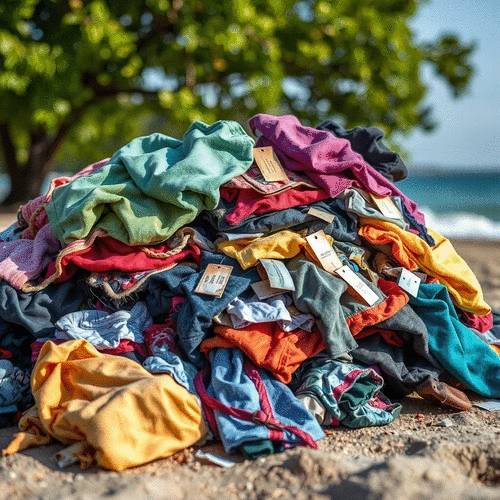
Textile waste is another alarming byproduct of fast fashion. In the United States alone, around 17 million tons of textile waste end up in landfills each year! This not only takes up space but also leads to increased greenhouse gas emissions as these materials break down. Many of the clothes we toss aside could be recycled or repurposed.
We need to change the narrative around clothing disposal. By opting for second-hand shopping or donating unused garments, we can help combat this growing crisis!
Microplastics: The Hidden Threat of Fast Fashion
The issue of microplastics is often overlooked, but it's a significant consequence of the fast fashion industry. When synthetic fabrics like polyester are washed, they release tiny plastic fibers into our waterways. These microplastics can harm aquatic life and eventually make their way back to humans through the food chain.
Being aware of this hidden threat empowers us to choose natural fibers when we shop, reducing the likelihood of contributing to microplastic pollution.
Biodiversity Loss and Resource Depletion Due to Fast Fashion
Lastly, fast fashion contributes to significant biodiversity loss and resource depletion. The demand for cheap textiles leads to the over-extraction of raw materials, destroying natural habitats. This can have a devastating effect on ecosystems worldwide. As we advocate for sustainable living, it's essential to recognize the interconnectedness between our fashion choices and the health of our planet.
By making informed decisions, we can advocate for a fashion industry that respects both people and the environment. At Eco Habits Daily, I hope to inspire you to view your clothing choices through a more sustainable lens.
Quick Summary
Here's a brief recap of the key points discussed so far:
- Fast fashion contributes significantly to environmental damage through excessive water use, carbon emissions, and textile waste.
- Understanding the characteristics of fast fashion helps consumers make better purchasing decisions that align with sustainability.
- Shifting consumer behavior towards quality, second-hand, and sustainable brands is essential for reducing our fashion footprint.
- Engaging in eco-friendly practices and textile recycling can mitigate the negative impacts of fast fashion.
Frequently Asked Questions About Fast Fashion's Environmental Impact
Here are some common questions regarding fast fashion and its impact on the environment:
- What is fast fashion?
- Fast fashion refers to the rapid production of inexpensive clothing, often inspired by the latest trends, designed for quick consumption and disposal.
- How much water does fast fashion use?
- Producing a single t-shirt can require over 2,700 liters of water, highlighting the industry's heavy reliance on water resources.
- What are the main environmental impacts of fast fashion?
- Key impacts include excessive water use and pollution, significant carbon emissions (around 10% of global greenhouse gases), massive textile waste in landfills, and the release of microplastics from synthetic fabrics.
- How does fast fashion contribute to climate change?
- The rapid production, transportation, and disposal of fast fashion garments create an immense carbon footprint, contributing significantly to global greenhouse gas emissions.
- What are microplastics in fast fashion?
- Microplastics are tiny plastic fibers released from synthetic fabrics (like polyester) when washed. These fibers enter waterways, harming aquatic life and potentially human health through the food chain.
- What can consumers do to reduce the impact of fast fashion?
- Consumers can make sustainable choices by buying from local and ethical brands, choosing second-hand clothing, investing in durable pieces, participating in clothing swaps, and engaging in textile recycling programs.
- How can I identify sustainable brands?
- Look for brands that are transparent about their production processes, use eco-friendly materials, and hold certifications like Fair Trade or GOTS. Researching their commitment to sustainability and reading reviews also helps.
- Why is textile recycling important?
- Textile recycling helps minimize the millions of tons of clothing waste that end up in landfills each year, reducing greenhouse gas emissions and conserving resources.
Strategies for Reducing the Impact of Fast Fashion
As we become more aware of the environmental challenges posed by fast fashion, it's essential to shift our behavior towards sustainable choices. At Eco Habits Daily, I believe that every small step can lead to significant change. It’s not just about wearing eco-friendly clothes; it’s about changing our mindset and making conscious decisions that benefit both ourselves and the planet.
Imagine a world where your wardrobe reflects not only your style but also your values! Understanding your buying patterns and aligning them with sustainable practices can create a positive ripple effect. Let’s explore some effective strategies to make more mindful fashion choices.
Consumer Behavior: Making Sustainable Choices
Now more than ever, consumers are taking a stand against fast fashion. As we look toward 2025 and beyond, it's fascinating to see how buying patterns are changing. Many people are prioritizing quality over quantity, seeking brands that align with their values.
Here are some key shifts in consumer behavior that can help reduce our fashion footprint:
- Buying from local sustainable brands.
- Choosing second-hand or vintage clothing.
- Investing in timeless pieces that last longer.
Educating ourselves about sustainable brands is crucial! By understanding which companies prioritize ethical practices, we can make informed decisions that support a more sustainable fashion ecosystem.
Educating Consumers on Sustainable Brands
Knowledge is power! When we educate ourselves on sustainable brands, we empower our purchasing decisions. Look for brands that are transparent about their production processes and use eco-friendly materials. This not only supports responsible businesses but also sets a precedent for the industry.
As a community, we can share tips on identifying sustainable fashion options. Here’s a list of things to consider:
- Check for certifications, such as Fair Trade or GOTS.
- Research the brand's commitment to sustainability.
- Read reviews and testimonials from other conscious consumers.
The Importance of Consumer Awareness in Reducing Fashion Footprint
Being aware of our fashion choices is essential for reducing our overall impact. It’s easy to get caught up in trends and marketing gimmicks, but taking a moment to reflect on our purchases can lead to more meaningful decisions. Ask yourself: “Do I really need this item?” or “How will I care for this piece to ensure it lasts?”
Building awareness around our consumption habits helps us become more responsible consumers. It’s about fostering a sense of community where we can openly discuss and encourage sustainable practices.
Actionable Steps to Mitigate Environmental Impact
Now that we’ve explored consumer behavior, let’s dive into some practical steps we can all take to reduce the impact of fast fashion! These actionable tips can easily be implemented in your daily life, making sustainability a priority without sacrificing style.
- Choose quality over quantity when shopping.
- Commit to a “buy less, choose well” philosophy.
- Host clothing swaps with friends to refresh your wardrobe sustainably.
- Support brands that use eco-friendly materials.
It’s exciting to think about how these small adjustments can lead to a larger movement towards sustainable fashion! Remember, every little action counts.
Engaging with Eco-Friendly Practices and Policies
Engagement is key in making a difference! Advocate for policies that promote sustainability in the fashion industry. This can mean supporting legislation that holds companies accountable for their environmental practices or participating in local clean-up events that address waste.
Encouraging your favorite brands to adopt more sustainable practices can also be impactful. Write to them, share your thoughts on social media, or participate in campaigns that promote eco-friendly policies. Together, we can create a powerful voice for change!
Incorporating Textile Recycling Programs into Everyday Practices
Textile recycling is an excellent way to minimize waste! Look for local recycling programs that accept clothing donations or explore options for upcycling items you no longer wear. Many towns have collection bins, and some brands even offer take-back programs that reward you for recycling.
Here’s a quick guide to get started with textile recycling:
- Identify local textile recycling centers or donation spots.
- Sort your clothes into keep, donate, and recycle piles.
- Make it a habit to recycle or donate clothing regularly.
By integrating these practices into our daily lives, we can collectively reduce textile waste and promote a more sustainable fashion industry. For more tips on managing waste effectively, check out our guide on eco-friendly junk removal.
Recap of Key Points
Here is a quick recap of the important points discussed in the article:
- Understanding Fast Fashion: Fast fashion is characterized by rapid production, low prices, and a disposable culture that leads to significant environmental damage.
- Environmental Impact: The fast fashion industry is responsible for high water usage, carbon emissions, textile waste, and the release of microplastics, contributing to biodiversity loss and resource depletion.
- Consumer Behavior: Shifting towards sustainable choices, such as buying from local brands, choosing second-hand clothing, and investing in timeless pieces, is crucial for reducing our fashion footprint.
- Educating Ourselves: Knowledge about sustainable brands and their practices helps consumers make informed decisions, supporting eco-friendly initiatives and holding companies accountable.
- Actionable Steps: Implementing strategies like choosing quality over quantity, hosting clothing swaps, and engaging with recycling programs can significantly mitigate the environmental impact of our wardrobe choices. For more actionable tips on sustainable living, explore how to embrace a low-waste life, and consider mindful ways to reduce waste in your daily routine. Additionally, improving your recycling habits at home can make a big difference.