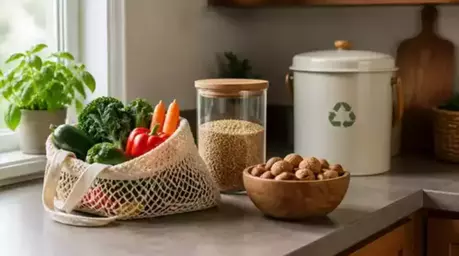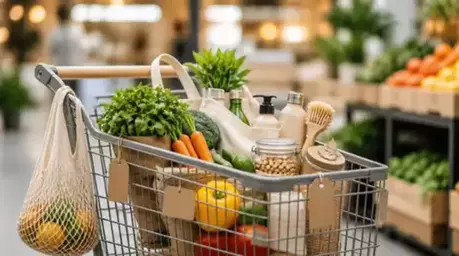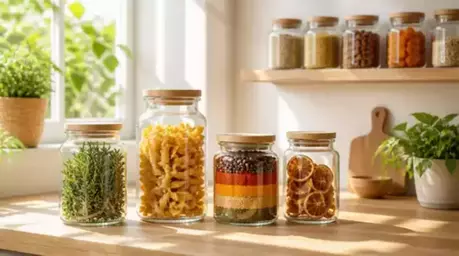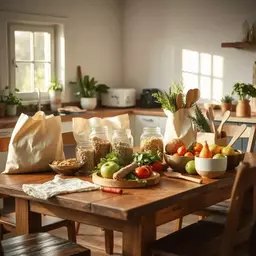
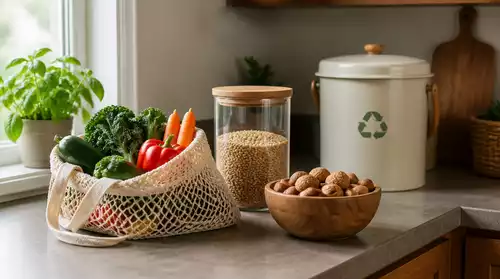
"Reducing food packaging waste isn't just an environmental necessity; it's a lifestyle choice that can bring you closer to a clutter-free and efficient kitchen!"
What You Will Learn
- Food packaging waste contributes to over 35 million tons of waste in the U.S. each year, with only 30% being recycled.
- Adopting a zero-waste kitchen starts with three core principles: reduce, reuse, and recycle.
- A minimalist approach in your kitchen can lead to less waste, as it encourages buying only what you truly need.
- Smart shopping strategies like buying in bulk and utilizing loose produce can significantly cut down on packaging waste.
- Engaging with your community through potlucks and workshops can inspire collective action towards sustainable practices.
- Implementing one new sustainable strategy each week can make a noticeable difference in reducing food packaging waste.
Impact of Food Packaging Waste
Key statistics regarding food packaging waste and its recycling rates.
Food Packaging Waste Generated
In the United States, over 35 million tons of food packaging waste were generated in a single year.
Recycling Rates
Only around 30% of food packaging materials were recycled or composted in 2020.
Environmental Consequences
Food packaging waste contributes to pollution and habitat destruction.
Economic Implications
Higher waste management costs for communities due to increased waste production.
Strategies for Reducing Food Packaging Waste in Your Kitchen
Reducing food packaging waste in our kitchens is crucial for a healthier planet! It might seem overwhelming, but small changes can lead to big impacts. As we dive into this topic, let's explore practical strategies that not only benefit the environment but also enhance our daily lives.
Understanding the Impact of Food Packaging Waste
Food packaging waste is a significant environmental issue. In fact, it contributes to billions of tons of waste produced each year! According to recent statistics, the United States generated over 35 million tons of food packaging waste in a single year. To learn more about managing waste effectively, check out our eco-friendly junk removal guide.
Sadly, only a fraction of that is recycled. In 2020, it was reported that around 30% of food packaging materials were recycled or composted. This means the majority ends up in landfills, contributing to pollution and greenhouse gas emissions.
- Environmental consequences: Pollution and habitat destruction.
- Economic implications: Higher waste management costs for communities.
- Health issues: Chemicals from packaging can leach into food and harm health.
Creating a Zero-Waste Kitchen: Key Principles
Establishing a zero-waste kitchen begins with understanding some core principles. First, we must aim to reduce the waste we create. This involves being mindful of our purchases and choosing products with minimal packaging.
Another key principle is reuse. Instead of buying new containers, think about how you can repurpose things you already have at home. For more ideas on how to make mindful choices, explore our guide on mindful shopping for less waste. Finally, don’t forget the importance of recycling and proper disposal of waste when it can no longer be reused.
- Aim for a minimalist approach by simplifying what you buy.
- Engage in mindful shopping practices.
- Incorporate eco-friendly solutions in your cooking and storage methods.
Embracing Minimalism in Kitchen Practices
Adopting a minimalist approach in your kitchen can significantly reduce food packaging waste! By focusing on what you truly need, you avoid unnecessary purchases, which leads to less waste overall. This aligns perfectly with mindful consumption meets minimalism principles.
Consider this: when you buy only what you need, you not only save money but also create a more organized and efficient kitchen. Embrace your space and let go of items that no longer serve a purpose!
- Limit the number of utensils and gadgets you own.
- Choose versatile ingredients that can be used in multiple recipes.
- Plan your meals to ensure everything gets used before it spoils.
Pro Tip
Did you know? One of the simplest ways to reduce food packaging waste is to bring your own reusable bags and containers when shopping. Many stores now offer discounts for customers who come prepared, which not only saves you money but also helps the environment. Try keeping a few reusable bags in your car or near your front door so you never forget them!
FAQs on Reducing Food Packaging Waste
Summarizing Practical Steps for a Sustainable Kitchen
As we wrap up our journey towards a sustainable kitchen, let's take a moment to recap the main strategies for reducing food packaging waste. Embracing a zero-waste kitchen philosophy can significantly lessen our impact on the environment. By making mindful choices, we not only support the planet but also experience the benefits of a clutter-free and efficient kitchen.
To get started, remember these key strategies:
- Smart shopping by buying in bulk and choosing loose produce
- Using reusable containers and wraps
- Meal planning and cooking from scratch
- Utilizing composting and recycling
By integrating these practices, you can create a space that not only meets your needs but also aligns with eco-friendly values. At Eco Habits Daily, we believe that every small change counts, and these steps can lead to a more sustainable lifestyle. For more comprehensive advice, check out our zero waste kitchen tips.
Encouraging Community Engagement and Sharing Knowledge
One of the most rewarding aspects of adopting a sustainable kitchen is the opportunity to share your experiences with others. Engaging with friends, family, and your broader community can spark a ripple effect of eco-friendly habits. When we share tips and successes, we inspire those around us to join the movement.
Here are some ideas for promoting community engagement:
- Host a potluck featuring zero-waste meals
- Share your favorite bulk-buying stores
- Organize a local composting workshop
- Start a social media group for recipe exchanges
At Eco Habits Daily, we cherish the idea of building a community that supports sustainable living. By sharing our knowledge, we can collectively reduce food packaging waste and foster a healthier planet.
Taking Action: Your Next Steps toward a Zero-Waste Kitchen
Feeling inspired? Now is the perfect time to take action towards creating your zero-waste kitchen! I encourage you to implement one new strategy each week. Whether it's switching to reusable containers or meal prepping with whole ingredients, each step makes a difference.
Here’s how to get started:
- Choose your first strategy to try this week.
- Track your progress and reflect on your experience.
- Share your journey with friends or on social media.
- Encourage others to join you in their own sustainable efforts!
Remember, by sharing your progress, you create a sense of accountability and community. Together, we can make meaningful strides toward reducing food packaging waste and creating a more sustainable future. Let's embrace these changes, one step at a time! For more inspiration on sustainable living, explore how to embrace a low waste life.
Recap of Key Points
Here is a quick recap of the important points discussed in the article:
- Food packaging waste significantly impacts the environment, contributing to pollution and health issues.
- Adopting a zero-waste kitchen philosophy emphasizes the principles of reducing, reusing, and recycling.
- Minimalism in kitchen practices helps minimize unnecessary purchases and waste.
- Smart shopping, meal planning, and using reusable containers are effective strategies for reducing food packaging waste.
- Community engagement is essential for sharing sustainable practices and inspiring others.
- Taking action one step at a time can lead to significant changes in creating a more sustainable kitchen.