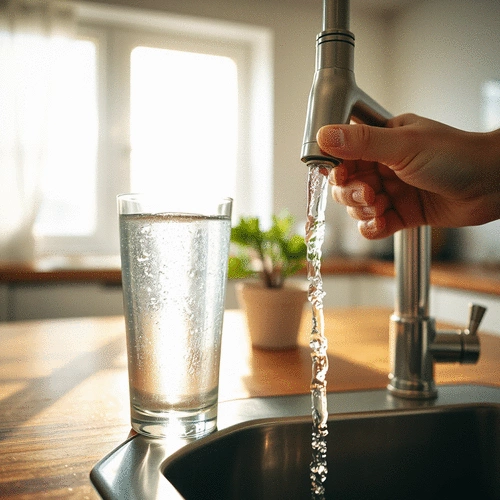
Water is a critical resource that we often take for granted, yet its scarcity affects us all. Have you ever considered how minor adjustments in your daily routine could lead to significant water savings? In a world where every drop counts, learning effective water conservation strategies can not only help the environment but also save you money!
What You Will Learn
- Turning off the faucet while brushing your teeth can save up to 8 gallons of water daily.
- Running your dishwasher only when it's full can save approximately 10 gallons of water per load.
- Using a broom instead of a hose for outdoor cleaning minimizes water usage significantly.
- Investing in low-flow showerheads and toilets can result in major long-term water savings.
- Detecting and fixing leaks can prevent the waste of thousands of gallons of water each year.
- Utilizing water-efficient appliances like dishwashers and washing machines can drastically reduce water consumption.
Water Conservation Strategies Comparison
Explore how different practices can lead to significant water savings in your daily life.
Bathroom Habits
Turn off the faucet while brushing your teeth—this can save up to 8 gallons of water a day.
Shorten shower times to five minutes or less.
Use a low-flow showerhead to reduce water usage.
Kitchen Practices
Run the dishwasher only when it’s full—saving about 10 gallons per load.
Use a bowl to wash fruits and vegetables to capture rinse water.
Fill one side of the sink for washing dishes instead of running water.
Outdoor Techniques
Use a broom instead of a hose to clean driveways.
Water gardens in early morning or late evening to minimize evaporation.
Install a rain barrel for irrigation.
Upgrading Fixtures
Low-flow showerheads can reduce flow to 1.5 gallons per minute.
Low-flow toilets use about 1.6 gallons per flush.
Detecting Leaks
A leaky faucet can waste over 3,000 gallons per year.
Check for drips and inspect toilets for leaks regularly.
Water-Efficient Appliances
Switching to water-efficient washing machines can save up to 15 gallons per load.
Modern dishwashers use as little as 3 gallons per cycle.
Effective Strategies to Conserve Water in Your Daily Life
In today's world, water conservation isn't just a trend; it's a necessity! As an advocate for sustainable living, I've seen firsthand the profound impact that mindful water usage can have on our environment. From reducing the strain on local water supplies to lowering your utility bills, conserving water offers numerous benefits. Whether you live in a drought-prone area or not, every drop counts towards a healthier planet!
Understanding the Importance of Water Conservation
Water is one of our most precious resources, yet it often goes unnoticed until it becomes scarce. The average American household uses about 300 gallons of water per day, a staggering number that contributes to environmental degradation. By adopting effective conservation strategies, we can help preserve our ecosystems and promote sustainability.
Additionally, conserving water can lead to significant personal savings. With simple changes in our daily routines—like fixing leaks or being mindful of usage—we can reduce our water bills and lessen our ecological footprints. It's a win-win situation, and at Eco Habits Daily, we believe every small step can make a big difference. For more insights on reducing your environmental impact, explore eco-friendly junk removal strategies.
Behavioral Changes for Daily Water Savings
Optimizing Bathroom Habits to Save Water
Making small adjustments in the bathroom can lead to impressive water savings! Here are a few practical changes you can implement:
- Turn off the faucet while brushing your teeth—this can save up to 8 gallons of water a day.
- Shorten your shower times; aim for five minutes or less!
- Consider using a low-flow showerhead to reduce water usage without sacrificing pressure.
These simple habits not only conserve water but also promote a more sustainable lifestyle. It feels great to know that even minor adjustments can contribute to a healthier planet!
Improving Kitchen Practices for Water Efficiency
The kitchen is another key area where we can make impactful changes. Here are some tips to improve your water efficiency:
- Only run your dishwasher when it’s full; this can save about 10 gallons of water per load.
- Use a bowl to wash fruits and vegetables, capturing rinse water for your plants.
- Instead of letting the water run while washing dishes, fill one side of the sink with soapy water and the other with rinse water.
By adopting these practices, you not only save water but also reduce waste—something that aligns perfectly with our mission at Eco Habits Daily! Learn more about waste-free kitchen tips to further enhance your sustainability efforts.
Outdoor Water Conservation Techniques
When it comes to outdoor water use, there are several effective techniques you can adopt:
- Use a broom instead of a hose to clean driveways and sidewalks.
- Water your garden early in the morning or late in the evening to minimize evaporation.
- Consider installing a rain barrel to collect rainwater for irrigation.
These methods not only help conserve water but can also result in healthier plants and a more sustainable outdoor space, which is something I’m truly passionate about.
Upgrading Fixtures for Long-Term Water Savings
Investing in Low-Flow Showerheads and Toilets
One of the most effective ways to conserve water is by upgrading to low-flow fixtures. Low-flow showerheads can reduce water flow to 1.5 gallons per minute, compared to the standard 2.5 gallons. This can lead to significant savings over time, both in water usage and your utility bills!
Additionally, low-flow toilets use only about 1.6 gallons per flush, compared to older models that use upwards of 3.5 gallons. By investing in these fixtures, you can make a meaningful impact on your water consumption while enjoying the benefits of modern technology.
Detecting and Fixing Leaks in Your Home
Did you know that a single leaky faucet can waste over 3,000 gallons of water per year? That’s enough to fill a swimming pool! Here’s how to detect and fix leaks in your home:
- Check your faucets and showerheads for drips.
- Inspect your toilet for leaks by adding food coloring to the tank; if it seeps into the bowl, you have a leak!
- Regularly check hoses and irrigation systems for any signs of wear or damage.
Timely repairs not only prevent water loss but also save you money—it's too easy to forget about those small leaks, but fixing them can make a big difference! For more ways to be mindful of your resources, check out these mindful ways to reduce waste.
Exploring Water-Saving Appliances
Understanding Water-Efficient Washing Machines
Modern washing machines are designed with water efficiency in mind! They use less water and energy while providing effective cleaning. By switching to a water-efficient model, you could save up to 15 gallons of water per load compared to older machines.
Additionally, many of these machines come with energy-saving features that further reduce your environmental impact. It’s an easy upgrade that supports a more sustainable lifestyle!
Benefits of Using Water-Saving Dishwashers
Did you know that using a dishwasher can actually save more water than washing by hand? Modern dishwashers use as little as 3 gallons of water per cycle. In contrast, handwashing can consume more than 20 gallons!
Investing in a water-efficient dishwasher not only saves water but also gets the job done faster—leaving you more time to enjoy your day. At Eco Habits Daily, we’re all about making life easier while being kinder to our planet!
Pro Tip
Here's a valuable tip to maximize your water savings: Monitor your water usage regularly. Consider installing a water meter to track your daily consumption. This will help you identify patterns and areas where you can improve efficiency. Being aware of your usage can motivate you to adopt better habits and ultimately lead to greater conservation efforts!
Frequently Asked Questions About Water Conservation
How much water can I save by turning off the faucet while brushing my teeth?
You can save up to 8 gallons of water daily by simply turning off the faucet while brushing your teeth.
Is it more water-efficient to use a dishwasher or wash dishes by hand?
Modern dishwashers are typically more water-efficient, using as little as 3 gallons per cycle, compared to handwashing which can consume over 20 gallons.
What are the benefits of installing low-flow showerheads and toilets?
Low-flow showerheads reduce water flow to 1.5 gallons per minute, and low-flow toilets use only about 1.6 gallons per flush, leading to significant long-term water and utility bill savings.
How much water can a leaky faucet waste?
A single leaky faucet can waste over 3,000 gallons of water per year.
What are some effective outdoor water conservation techniques?
Using a broom instead of a hose for cleaning driveways, watering gardens in the early morning or late evening, and installing a rain barrel for irrigation are effective outdoor conservation techniques.
Summarizing Your Water-Saving Journey
As we wrap up our exploration of water conservation, it's clear that every small change you make can lead to a significant impact. Remember, adopting effective strategies like optimizing your bathroom habits, upgrading to low-flow fixtures, and exploring water-saving appliances can create a ripple effect in your home and community. Make it a daily habit to reflect on these practices and consider how they contribute to a healthier planet.
It's crucial to keep these practical water conservation tips at the forefront of your mind, as they play a vital role in reducing our ecological footprints. Not only do you save water, but you also save money on your utility bills! Let's take a moment to recap these key takeaways:
- Turn off the faucet while brushing your teeth.
- Only run full loads in your dishwasher and washing machine.
- Use a broom instead of a hose for outdoor cleaning.
- Invest in low-flow showerheads and toilets.
- Detect and fix leaks promptly.
- Utilize drip irrigation for your garden.
Engaging with WaterSense Products and Resources
To further enhance your water-saving journey, I encourage you to explore WaterSense products. These items are certified for their efficiency and can help you make even more impactful changes in your home. Whether you’re looking for water-efficient faucets or irrigation systems, engaging with these resources can be a game-changer.
Consider visiting the WaterSense website for a list of certified products and innovative ideas to save water. With these tools at your disposal, you'll be better equipped to make informed choices that benefit both your family and the environment! You can also find more easy eco-friendly habits to start in your daily life.
Inviting Community Sharing and Feedback
I’d love to hear from you! What water-saving tips have you implemented in your daily life? Sharing experiences can inspire others, and I invite you to drop your insights in the comments section below. Together, we can build a community committed to sustainability and responsible living!
Every contribution, no matter how small, can lead to big changes. Let's encourage each other to adopt these habits and continue making a difference, one drop at a time.
Continuing the Water Conservation Conversation
The journey doesn’t end here. Water conservation is an ongoing effort that requires continuous awareness and advocacy. By keeping the conversation alive, we can engage our communities and inspire those around us to take part in this vital initiative. To help extend your commitment to sustainability, consider exploring how to embrace a low-waste life.
As you embrace these water-saving strategies, don’t forget to share your journey with friends and family. They might join you in making eco-friendly choices! At Eco Habits Daily, we believe in fostering a culture of sustainability, and your voice can make a real difference.
Recap of Key Points
Here is a quick recap of the important points discussed in the article:
- Turn off the faucet while brushing your teeth to save up to 8 gallons per day.
- Run your dishwasher and washing machine only with full loads to maximize water efficiency.
- Use a broom instead of a hose for outdoor cleaning tasks to conserve water.
- Invest in low-flow showerheads and toilets to significantly reduce water usage.
- Promptly detect and fix leaks to prevent wasting thousands of gallons of water each year.
- Utilize drip irrigation systems in your garden to optimize water use for plants.