Have you ever considered how small changes at home can create a ripple effect in your community? Embracing sustainable practices not only contributes to a healthier planet but also enriches your family's lifestyle. Here are some practical insights to help busy families incorporate green living seamlessly into their daily routines.
What You Will Learn
- The significance of teaching kids about sustainability to foster responsibility and environmental awareness.
- Cost-effective benefits of eco-friendly choices that save money and improve family health.
- Quick eco swaps for busy families, such as using reusable bags and containers to minimize waste.
- Effective meal planning strategies to reduce food waste and simplify grocery shopping.
- Easy eco-friendly cleaning solutions using common household ingredients to create a healthier home environment.
- Energy-saving practices that can significantly lower utility bills while contributing to a sustainable lifestyle.
- Ways to involve kids in sustainability efforts through age-appropriate tasks and fun activities.
- The role of advocacy and community involvement in promoting eco-conscious living beyond the home.
- Ideas for incorporating green transportation methods into family routines for healthier commutes.
Key Benefits of Eco-Friendly Practices for Families
Exploring the advantages of adopting sustainable habits can provide insight into their long-term impacts on health, finances, and the environment.
Cost Savings
Sustainable products may seem costly upfront, but they often lead to savings by reducing waste and energy consumption in the long run.
Healthier Environment
Using less harmful chemicals leads to cleaner air and decreased risk of health issues for families.
Community Impact
Supporting local businesses strengthens community ties while promoting sustainable practices.
Reduced Waste
Adopting eco-friendly habits contributes to significant reductions in landfill waste.
Practical Green Living Tips for Busy Families
Living sustainably is more important than ever, especially for families juggling busy schedules. At Eco Habits Daily, I understand the challenges of finding time for eco-friendly practices while managing daily routines. It's crucial, however, to embrace sustainable living as it not only benefits our planet but also enhances our family’s quality of life. Sustainable choices can create a healthier environment for our children and teach them valuable lessons about caring for the Earth.
Understanding the Importance of Sustainable Living
Why Green Living Matters for Families
Green living matters for families because it cultivates a healthier lifestyle and promotes responsible consumption. Families are often at the forefront of change, and by adopting eco-friendly habits, we can inspire our children to care for the environment too. Teaching kids about sustainability early on helps them develop a sense of responsibility and awareness about the world around them. For more insights on building sustainable habits, explore these easy eco-friendly habits to start.
Additionally, sustainable living can improve family health by reducing exposure to harmful chemicals and pollutants. For instance, choosing organic foods and natural cleaning products can create a safer home environment. Making these choices not only benefits our planet but also nurtures our families!
Benefits of Eco-Friendly Choices in Daily Life
There are numerous benefits to making eco-friendly choices in our daily lives. Here are just a few that might resonate with busy families:
- Cost Savings: Sustainable products might seem more costly upfront, but they often save money in the long run by reducing waste and energy consumption.
- Healthier Environment: Using less harmful chemicals in our homes leads to cleaner air and less risk of health issues.
- Community Impact: Supporting local businesses and sustainable practices strengthens our communities.
Quick Eco Swaps for Everyday Life
Simple Changes That Save Time and Money
Making swift eco swaps can seamlessly fit into any busy family lifestyle! These little changes can save time and money while positively impacting the environment. Here’s a quick list of swaps that you might find helpful:
- Switch from plastic bags to reusable shopping totes.
- Use cloth napkins instead of disposable paper ones.
- Invest in a reusable water bottle for each family member.
Each small step counts, and before you know it, these eco swaps become part of your family routine. It’s empowering to see how easy it can be to make a difference!
Kid-Friendly Eco Swaps to Encourage Participation
Involving kids in eco-friendly swaps is a fun way to teach them about sustainability! Children love to participate, and these activities can spark their creativity. Here are some kid-friendly swaps to consider:
- Use beeswax wraps instead of plastic wrap for their snacks.
- Create a compost bin together for food scraps and yard waste.
- Design their own reusable shopping bags with fabric markers.
By making sustainability a family affair, we not only reduce our ecological footprints but also create cherished memories together. It’s amazing how much they can learn and contribute!
Streamlined Household Practices to Reduce Waste
Efficient Meal Planning for Less Food Waste
Meal planning is a fantastic way to save time and cut down on food waste! By planning your meals for the week, you can avoid overbuying and ensure that you use what you have. Here’s how to get started:
- Review what ingredients you already have to prevent duplicate purchases.
- Incorporate leftovers into new meals to minimize waste.
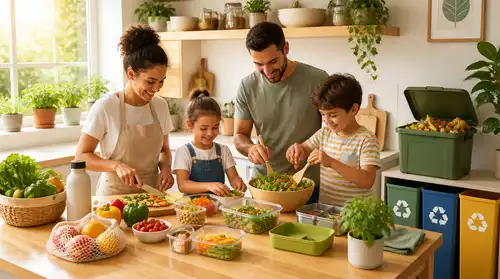
- Involve your kids in meal planning to make it a fun family activity.
Effective meal planning not only reduces waste but also simplifies grocery shopping. It’s a win-win for busy families!
Implementing Reusable Items in Family Routines
Integrating reusable items into your family’s daily routine is a straightforward way to minimize waste. Here are some ideas to help make the switch:
- Encourage the use of reusable straws at home and on the go.
- Keep a stash of cloth bags in your car or at the front door for shopping.
- Use washable containers for lunchboxes instead of single-use plastic.
By creating a routine around these reusable items, you’ll not only reduce waste but also save money in the long run. It’s a small effort that leads to significant changes!
Practical Tips for Sustainable Family Habits
Easy Eco-Friendly Cleaning Solutions
Cleaning doesn’t have to be a chore filled with harsh chemicals! You can create effective cleaning solutions using simple ingredients found in your pantry. Here’s a quick list of easy eco-friendly cleaning solutions:
- Mix vinegar and water for a natural glass cleaner.
- Use baking soda as a gentle scrub for tough stains.
- Combine lemon juice and water for a fresh scent and antibacterial properties.
By using these natural ingredients, you create a healthier home while also teaching your kids about the importance of eco-friendly practices!
Energy-Saving Practices for Busy Homes
Saving energy at home is essential for reducing our carbon footprint and lowering utility bills. Here are some energy-saving practices for your busy family:
- Turn off lights when leaving a room.
- Unplug chargers and devices when not in use.
- Use energy-efficient appliances whenever possible.
Implementing these small changes can lead to substantial energy savings over time, benefiting both your wallet and the planet! For more on reducing waste, check out these simple low-waste lifestyle tips.
Creating a Non-Toxic Home Environment
Creating a non-toxic home is vital for your family’s health and well-being. You can start small by following these tips:
- Choose non-toxic paints and finishes for home projects.
- Opt for natural fabrics in your home décor and clothing.
- Regularly air out your home to reduce indoor pollutants.
By prioritizing a non-toxic environment, you create a space where your family can thrive. It’s one of the best gifts you can give them!
Creating a Green Living Routine in Under 15 Minutes
Quick Daily Actions to Foster Sustainability
Incorporating a green living routine doesn’t have to take up your entire day. Here are quick actions you can implement in under 15 minutes:
- Sort recyclables from your trash.
- Spend a few minutes watering plants or tending to your garden.
- Pack reusable bags for the next grocery trip.
These small actions can become a natural part of your daily routine, leading to a more sustainable lifestyle without feeling overwhelming!
Involving Kids: Age-Appropriate Tasks for Sustainability
Getting kids involved in sustainability efforts can be a rewarding experience for the whole family! Here are some age-appropriate tasks to consider:
- For toddlers: Help them sort recyclables by color or type.
- For elementary kids: Let them choose a plant to care for at home.
- For teens: Encourage them to plan a low-waste meal for family night.
By engaging kids in these tasks, you teach them about the importance of sustainability and empower them to take action!
Cost-Effective Strategies for Going Green
Comparing Expenses: Eco-Friendly Products vs. Conventional Options
It's essential to understand that eco-friendly products can sometimes be more cost-effective than conventional ones. When you compare expenses, consider:
- Durability: Eco-friendly products often last longer.
- Health Benefits: Reduced health issues save on medical bills.
- Environment Impact: Less waste means cost savings for waste management.
Weighing these factors can help families make informed decisions that are good for both their wallets and the planet!
How to Utilize Bulk Buying and Reuse to Save
Buying in bulk and reusing items can lead to significant savings. Here are some tips to help you:
- Join a local buying group for bulk purchases on essential items.
- Reuse glass jars for storage or as containers for leftovers.
- Invest in high-quality reusable items that replace single-use products.
These strategies not only save money but also promote a more sustainable lifestyle. It’s a smart way to make eco-friendly choices!
Adopting a Minimalist Approach to Family Living
Finally, embracing a minimalist approach can simplify your family’s life while promoting sustainability. Here’s how to get started:
- Assess belongings regularly and donate what you no longer need.
- Focus on quality over quantity when purchasing new items.
- Prioritize experiences over material possessions.
By adopting minimalist principles, you can create a more intentional and sustainable family life. It’s a refreshing way to declutter both your home and your mind! If you're looking for ways to responsibly dispose of unwanted items, this eco-friendly junk removal guide can help.
Quick Summary
Here's a brief recap of the key points discussed so far:
- Green living cultivates a healthier lifestyle and promotes responsible consumption.
- Simple eco swaps, like using reusable bags and containers, can significantly reduce waste.
- Involving children in sustainability efforts fosters responsibility and creativity.
- Implementing energy-saving practices and non-toxic products enhances family health.
Frequently Asked Questions About Green Living for Families
- Q: Why is sustainable living important for families?
- A: Sustainable living for families cultivates a healthier lifestyle, promotes responsible consumption, reduces exposure to harmful chemicals, and teaches children valuable lessons about environmental care from a young age.
- Q: What are some quick eco swaps busy families can make?
- A: Simple eco swaps include using reusable shopping bags, cloth napkins instead of paper ones, and investing in reusable water bottles. Involving kids in these swaps, like using beeswax wraps or creating a compost bin, makes it fun and educational.
- Q: How can meal planning help reduce waste and save money?
- A: Efficient meal planning helps reduce food waste by ensuring you use ingredients you already have, incorporate leftovers, and avoid overbuying. This also simplifies grocery shopping and saves money in the long run.
- Q: What are some easy eco-friendly cleaning solutions?
- A: You can use natural ingredients like a mix of vinegar and water for glass cleaner, baking soda as a gentle scrub, and lemon juice with water for a fresh scent and antibacterial properties. These solutions create a healthier home environment.
- Q: How can families save energy at home?
- A: Energy-saving practices include turning off lights when leaving a room, unplugging chargers and devices when not in use, and using energy-efficient appliances. These small changes can lead to significant savings on utility bills and reduce your carbon footprint.
- Q: How can families involve children in sustainability efforts?
- A: Age-appropriate tasks can include helping toddlers sort recyclables, letting elementary kids choose a plant to care for, and encouraging teens to plan low-waste family meals. This teaches them responsibility and empowers them to take action.
Encouraging Sustainable Practices Beyond the Home
As a family, embracing sustainable living extends far beyond our front door. It’s about making conscious choices that resonate with our values and inspire those around us. At Eco Habits Daily, I truly believe that integrating eco-friendly practices into our daily lives can create a ripple effect, influencing friends, schools, and communities. Let’s explore some practical ways to encourage sustainability beyond our homes!
School Lunches: Eco-Conscious Choices for Children
When it comes to school lunches, we can make a significant impact by reducing plastic waste. The average school lunch generates a considerable amount of trash, but we can change that with a few mindful swaps. Consider using reusable containers, cloth napkins, and stainless-steel utensils to pack lunches. Not only are these options better for the environment, but they can also save money in the long run!
- Swap plastic wrap for silicone food covers.
- Use beeswax wraps instead of plastic bags.
- Invest in a durable lunch box made from sustainable materials.
Engaging our kids in sustainability at school can also be a fun adventure! Talk to them about the importance of their choices and encourage them to share eco-friendly ideas with their classmates. Making it a team effort not only motivates them but also instills a sense of responsibility towards the planet.
Family Gardening and Local Food Movement
Getting started with organic gardening can be a rewarding experience for the whole family! Whether you have a big backyard or a small balcony, growing your own fruits and veggies not only provides fresh produce but also teaches children valuable lessons about where their food comes from. Start small with herbs like basil or mint, and gradually expand to tomatoes or peppers. For more inspiration, check out these sustainable backyard ideas for homeowners.
- Choose organic seeds to promote healthier growth.
- Use compost to enrich your soil naturally.
- Involve kids in every step, from planting to harvesting!
Participating in Community Supported Agriculture (CSA) is another fantastic option. By joining a local CSA, your family can receive fresh, seasonal produce while supporting local farmers. Plus, it’s a great way to introduce kids to new foods and flavors!
Advocacy and Change: Involving the Family
Advocacy starts at home! There are many ways to involve your family in advocating for sustainability in your community. Start by attending local events focused on environmental awareness or participating in clean-up days at parks. Not only do these activities help the planet, but they also strengthen family bonds.
- Organize a neighborhood recycling drive.
- Join or form a local environmental group.
- Encourage kids to express their thoughts on sustainability through art or writing.
Setting family goals for a greener future can also be inspiring. Reflecting on what matters most to your family and establishing achievable goals can turn your commitment to sustainability into a fun family project!
Green Transportation Options for Families
Exploring sustainable transportation choices is not just about reducing our carbon footprint; it’s also an opportunity for family bonding! From biking to school to carpooling with neighbors, there are numerous ways to incorporate eco-friendly travel into our routines. These practices can make our daily commutes more enjoyable and social.
- Consider walking or biking for short trips.
- Use public transport whenever possible.
- Plan family outings that involve fewer cars, like hiking or visiting local parks.
By incorporating active travel into family routines, we not only promote sustainability but also encourage a healthier lifestyle for ourselves and our children! Discover more about how to minimize plastic in daily life to further reduce your environmental impact.
Summary and Call to Action for Green Living
In conclusion, embracing sustainable practices beyond our homes is an enriching journey for the entire family. From making eco-conscious choices in school lunches to advocating for change in our communities, every small action counts! Here at Eco Habits Daily, I encourage you to reflect on the quick wins we've discussed and consider how they can fit into your family’s lifestyle.
Recap of Quick Wins for a Sustainable Family Lifestyle
- Use reusable containers and utensils for school lunches.
- Start a small family garden or join a CSA.
- Participate in local environmental advocacy and set family goals.
- Incorporate green transportation options into daily routines.
Next Steps: How to Start Implementing These Tips Today
Ready to take action? Choose one or two tips that resonate with your family and start incorporating them into your routine today. Remember, every step you take contributes to a healthier planet!
Encouraging Family Discussions Around Sustainability
Lastly, it’s essential to keep the conversation going. Engage your family in discussions about sustainability regularly, and encourage them to share their ideas and experiences. Together, we can foster a culture of eco-consciousness that lasts for generations!
Recap of Key Points
Here is a quick recap of the important points discussed in the article:
- Adopting sustainable living practices can enhance family health and teach children about environmental responsibility.
- Implement quick eco swaps like reusable shopping bags and cloth napkins to reduce waste.
- Engage kids in sustainability by involving them in meal planning, gardening, and eco-friendly projects.
- Creating a non-toxic home environment is vital for family well-being; use natural cleaning solutions and non-toxic materials.
- Participate in community activities to advocate for sustainability and strengthen family bonds.
- Incorporate green transportation options to promote a healthier lifestyle while reducing your carbon footprint.